When hot flashes became the first warning sign of early menopause
About a year ago, Cordelia started experiencing symptoms of perimenopause. These symptoms disrupted her sleep, mood, and quality of life.
It began with hot flashes. At first, they seemed manageable, but they increased in frequency. “By early 2025, I had sleep issues,” she recalls. Several months later, something more troubling emerged. “I started to feel like my mood was affected. The best way I can describe that is an overwhelming sense of despair.”
This surprised her because she was already on antidepressants, and they had been working quite well, but the sudden shift felt different, deeper, like something had fundamentally changed in her body.
This profound, noticeable shift in mood can occur for many women experiencing perimenopause. It can also be one of the most distressing symptoms of menopause, because healthcare providers often dismiss it as the simple need for stronger antidepressants, rather than addressing hormone levels.
Cordelia is a 46-year-old woman who was dealing with endometriosis and premenopausal symptoms. For Cordelia, finding the right hormone replacement therapy was very challenging because her case was so complicated. She needed a doctor who could balance competing concerns and collaborate with other healthcare professionals, all while truly listening to her needs.
Fortunately, she found expert care at Tower Urology, where Dr. Kuhlmann’s collaborative approach transformed her health. It also restored her hope that compassionate, expert care is still available to women who fear their concerns will be dismissed.
Finding a doctor who specializes in complicated hormone replacement cases

Cordelia mentioned her symptoms to her pelvic floor physical therapists, thinking she might be perimenopausal. “They recommended a few people I could talk to, including Dr. Kuhlmann,” she says. “One had a personal experience with her and said she was fantastic.”
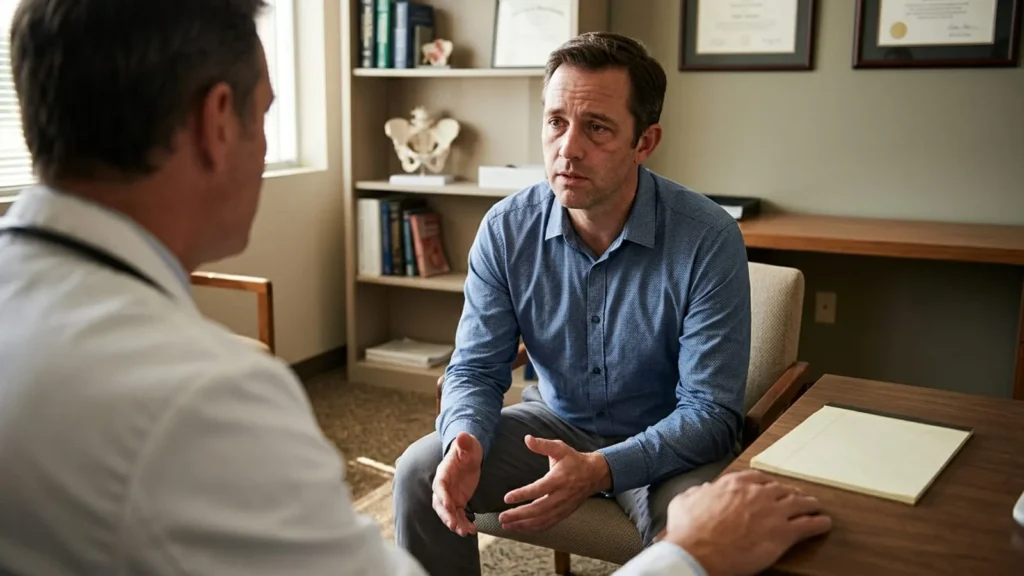
That recommendation proved invaluable. “From the moment I saw Dr. Kuhlmann, I felt very heard,” Cordelia remembers. “She was very sympathetic and proactive and understood that my case was complicated.”
“I’m 46, and I have endometriosis. I have to be particularly careful with hormone replacement therapy (HRT) because estrogen can fuel endometriosis,” Cordelia explains. “My case is a little complicated, and I’ve dealt with a variety of issues, but on the plus side, it means I’ve become very good at advocating for my own health.”
For women with endometriosis, starting HRT isn’t straightforward. One of the risks of HRT is that the estrogen therapy can potentially stimulate endometrial tissue, creating an increased risk of worsening symptoms. This means treatment options must be carefully considered, requiring a healthcare provider who understands both women’s health and the nuances of menopausal hormone therapy.
How two specialists worked together to create a safe hormone therapy plan
Dr. Kuhlmann took a collaborative approach that gave Cordelia confidence. “She arranged to get my blood labs done and said she was happy to consult with my endometriosis specialist,” Cordelia explains. “Between the two of them, they were fantastic.”
Dr. Kuhlmann didn’t just prescribe hormones and hope for the best. She recommended which hormones might benefit Cordelia, then sent those recommendations, along with Cordelia’s test results, to Cordelia’s endometriosis specialist for review. “I also had a pelvic ultrasound to check my endo growth,” Cordelia adds, “and based on those results, my specialist said she was happy for me to undergo Dr. Kuhlmann’s recommendations for HRT.”
This kind of coordinated care is essential for women with complex medical histories. Whether dealing with risk factors such as a history of breast cancer, concerns about the risk of heart disease or blood clots, or conditions like endometriosis that affect how the body responds to progesterone and other hormones, having healthcare professionals who communicate makes all the difference.
Getting treatment before an international trip requires going above and beyond
But just as Cordelia was ready to start her hormone therapy, life threw a curveball. “I was due to return to Australia to care for my elderly parents, and I was so anxious about trying to get the HRT before leaving for Australia for a month,” she recalls.
The timing was critical. She couldn’t afford to wait until she returned, not with her symptoms affecting her quality of life so severely. Night sweats, mood swings, and the overwhelming despair weren’t things she could simply power through while caring for aging parents overseas.
“Dr. Kuhlmann was super communicative, quickly responding to emails and phone calls, and helped me get in for my ultrasound so quickly to make sure I was good to go, and then get the prescription off to my pharmacy,” Cordelia says.
Although there were obstacles with the pharmacy and other logistical challenges, Dr. Kuhlmann understood the gravity of the situation. “She knew how important this was and went above and beyond for me,” Cordelia emphasizes. “Thanks to her accessibility and responsiveness, I literally picked up my medications the day I flew out.
Why are so many women with perimenopause still being dismissed by doctors?
For Cordelia, getting proper treatment felt like finding something rare. “The HRT has been such a game-changer for me,” she says. “At least people are starting to talk about perimenopause, but so many women are still being dismissed and recommended antidepressants instead of being investigated.”
She’s witnessed it herself and heard the same story from countless other women. They go to their doctor describing the same symptoms Cordelia experienced: the hot flashes, the sleepless nights, the sudden mood shifts that feel nothing like their normal selves. And they’re sent home with a prescription or told it’s just stress, aging, and ultimately something they need to accept.
“So, finding someone like Dr. Kuhlmann, who is not only a specialist but listens and goes above and beyond, is just such a find,” Cordelia says. The relief in her voice is unmistakable.
What is ongoing hormone monitoring and adjustment like with an expert?

Hormone levels fluctuate, especially during the transition through perimenopause. What works initially might need adjustment. Different types of hormones, such as systemic estrogen, progestin, or even testosterone, may need to be added or adjusted based on symptom response. Non-hormonal options, such as supplements or other treatments, might complement the plan.
Getting the prescription was only the beginning of Cordelia’s relationship with Dr. Kuhlmann. “Dr. Kuhlmann has been regularly checking in, watching my blood levels to ensure that I’m absorbing the hormones, and she still collaborates with my specialist,” Cordelia explains. “She’s just been amazing.”
When Cordelia experienced minor hair loss, a common side effect some women may notice with HRT, Dr. Kuhlmann’s response exemplified her approach. “She was sympathetic and got straight to it and made adjustments,” Cordelia recalls. “And, she’s just great!”
This kind of follow-up care distinguishes adequate treatment from truly excellent care. Regular monitoring helps minimize increased risk while maximizing quality-of-life benefits, whether that’s better sleep, improved mood, relief from hot flashes and night sweats, or restored sexual function.
Why does sharing stories about good perimenopause care matter?
Now that Cordelia has found relief, she wants other women to know what’s possible. “I feel like more people need to know that excellent care is out there,” she says with conviction. “Don’t give up.”
Cordelia’s story isn’t unique, and her outcome shouldn’t be either. She has heard how other women suffer in silence, believing this is just how life is now. They think the sleepless nights, mood swings, and physical discomfort are simply things they have to accept.
“I’ve talked to so many women who are just struggling,” Cordelia reflects. “Some don’t even know treatment is possible. Others tried to get help but were turned away or made to feel like they were overreacting.”
What made the difference for Cordelia wasn’t just the treatment itself, but finding a doctor who saw her as a whole person with a complicated medical history that needed attention, not dismissal. Someone who understood that endometriosis doesn’t mean you have to suffer through menopause symptoms without help. Someone who took the time to work with her other specialists, to monitor her progress, to adjust when something wasn’t quite right.
That kind of care, Cordelia says, should be available to every woman, whether they’re dealing with conditions like hers or simply going through this natural transition and wanting to feel like themselves again.
Why choose Tower Urology for hormone replacement therapy and women’s health?
At Tower Urology, specialists like Dr. Kuhlmann combine expertise in complex cases with genuine compassion. Whether you’re experiencing your first symptoms of menopause, dealing with premature ovarian failure, managing endometriosis alongside hormonal changes, or want a better quality of life during this transition, comprehensive hormone therapy care is available.
We invite you to establish care with Tower Urology. Please make an appointment online or call us at (855) 246-2700.
Tower Urology is a proud affiliate of Cedars-Sinai Medical Center, ranked #1 in California and #2 nationwide by U.S. News & World Report. Our years of experience and access to world-class facilities ensure exceptional women’s health care.
Tower Urology is conveniently located for patients throughout Southern California, including Los Angeles, Beverly Hills, Santa Monica, West Los Angeles, West Hollywood, Culver City, Hollywood, Venice, Marina del Rey, and Downtown Los Angeles.
Frequently asked questions about Hormone Replacement Therapy for complicated cases

Yes, but it requires careful management. Women with endometriosis can benefit from HRT when specialists coordinate care between gynecologists and hormone therapy experts. The key is monitoring endometrial tissue through regular pelvic ultrasounds and adjusting the type of hormone therapy to minimize risk while relieving symptoms.
Early symptoms of perimenopause, even in your mid-40s, warrant consultation with a specialist. Premature ovarian failure can occur in younger women, and addressing declining hormone levels early can prevent complications like osteoporosis and heart disease while improving immediate quality of life. Blood labs testing hormone levels help confirm perimenopause and guide appropriate treatment options.
When women who are already managing depression with antidepressants experience new, overwhelming mood changes alongside hot flashes, night sweats, or sleep disturbances, it often indicates hormonal shifts rather than a psychiatric condition. A specialist can evaluate whether symptoms align with perimenopause by checking estrogen levels and other hormonal markers, distinguishing hormonal mood changes from other health conditions.
Complicated HRT cases typically involve existing conditions that affect hormone safety, such as endometriosis, a genetic risk of breast cancer, blood clot risk, cardiovascular disease, or uterine cancer concerns. These situations require specialists who understand how different hormones interact with various health conditions, who can coordinate with other healthcare providers, and who carefully monitor treatment through regular follow-up and blood testing to ensure both safety and effectiveness.
Sources:
Hormonal Replacement Therapy in Menopausal Women with History of Endometriosis: A Review of Literature
https://pmc.ncbi.nlm.nih.gov/articles/PMC6723930/
Perimenopause symptoms, severity, and healthcare seeking in women in the US
https://www.nature.com/articles/s44294-025-00061-3