What is a urinary fistula?
A fistula is an abnormal growth, opening, passage, or connection between body parts. In other words, it shouldn’t be there.
In this case, we are speaking about abnormal connections between the urinary tract—such as the bladder, urethra, or ureters—and the genital tract, like the vagina, uterus, or even nearby structures like the rectum. We call these fistulas genitourinary fistulas. Some specific types are urinary fistulas and vesicovaginal fistulas (VVF).
Types of vaginal fistulas include:
- Genitourinary fistula: This can cause continuous leakage of urine into the vagina or other areas, leading to significant discomfort, recurrent infections, and emotional distress.
- Vesicovaginal fistula: Opens between vagina and bladder (most common type)
- Rectovaginal fistula: Connects vagina to rectum
- Colovaginal fistula: Links vagina to colon
- Enterovaginal fistula: Forms between vagina and small intestine
- Ureterovaginal fistula: Connects vagina to the ureters
- Urethrovaginal fistula: Opens between vagina and urethra

What causes a urinary fistula?
These fistulas are relatively rare in the United States. Risk factors include:
- A complication of pelvic surgeries, such as a hysterectomy or cesarean section
- After radiation therapy for cancer
- Severe pelvic infections and pelvic inflammatory disease
- Trauma (pelvic fractures, sexual violence, etc.)
- Advanced pelvic malignancy (cancer)
- Erosion due to foreign bodies (i.e, long-term pessary use)
What are the symptoms of a urinary fistula?
Symptoms typically include constant leakage of urine, which can lead to skin irritation, foul-smelling discharge, and recurrent urinary or vaginal infections. Many patients also experience pain, especially during intercourse. The condition can cause significant emotional distress due to its impact on daily life and social interactions.
What are the common symptoms of a urinary fistula?
Your specific symptoms can vary depending on which organs are connected by the fistula, such as connections between the bladder and colon (colovesical), bladder and bowel (enterovesical), or bladder and vagina (vesicovaginal).
The common symptoms of a urinary fistula include:
- Recurring urinary tract infections (UTIs)
- Leakage of urine, particularly through the vagina
- Air or gas bubbles passing through the urethra during urination
- Urine that looks cloudy or muddy and has a foul smell
- Urine that contains or smells like stool
- Abdominal pain and tenderness
- Pain when urinating
- Genital irritation, especially in vesicovaginal fistulas
- Frequent or urgent urination (urinary incontinence)
How do we diagnose urinary fistulas?
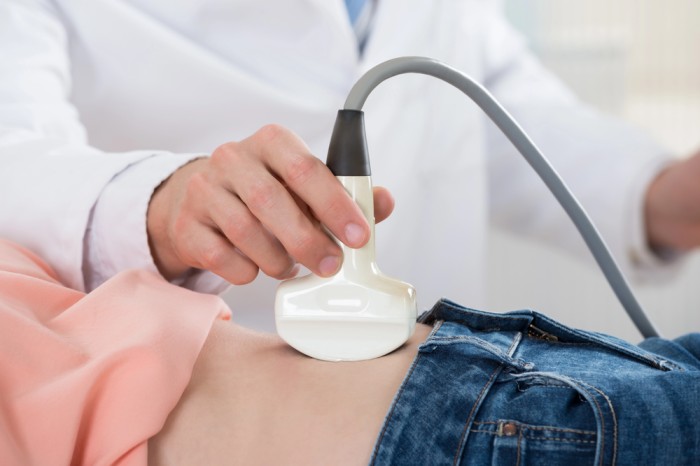
To diagnose a fistula, we’ll start with a detailed medical history, including your symptoms, surgical history, and obstetric history. We will also perform a physical exam, including a pelvic exam, to determine the location of the fistula.
We will perform a cystoscopy and vaginoscopy (using a small flexible camera to look inside the bladder and vagina) to pinpoint the location and size of the fistula.
Imaging studies, such as CT scans, MRIs, or X-ray tests, can help determine the type of fistula and inform treatment options.
If your symptoms and history are complex, we may also perform urodynamic studies (bladder pressure studies) to identify and characterize incontinence.
What are the treatment options for urinary fistulas?
Treatment depends on the size and cause of the fistula. For example:
Most fistulas require surgical treatment
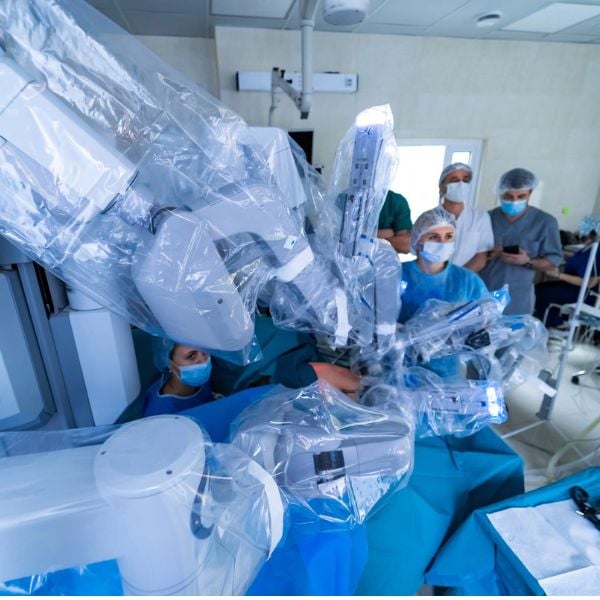
Fistula surgical repair can often be done through the vagina. Fistulas can be corrected with laparoscopic surgery, which uses only small incisions, or robotic surgery involving precise movements.
Please note that if this surgery is performed by someone who is not an expert in fistula repair, the fistula may recur.
Small fistulas
Small fistulas may heal independently with the help of a urinary catheter and medications, such as antibiotics for infections or estrogen therapy to improve tissue healing in postmenopausal women.
Large or complicated fistulas
For more complex cases or cases where the fistula is located very high up, an abdominal approach using minimally invasive robotic surgery may be needed. Then, an interposition flap (tissue taken from another area and placed into the repair to help heal and prevent recurrence) may be used.
What is recovery like for treating urinary tract fistulas?
After surgery, a catheter is left in place for several weeks to facilitate healing. We’ll monitor you closely to ensure the repair is successful.
Regardless of which treatment option we pursue, we strongly encourage you to optimize your tissue healing. You can achieve this by making lifestyle changes, which include stopping smoking, managing diabetes, eating a healthy diet with adequate protein intake, and improving vaginal tissue quality using vaginal estrogen (if post-menopausal).
Another important point that optimizes healing is ensuring you do not have an active infection at the time of surgery.
How effective is urinary fistula treatment?
While treatment is often effective, complications like recurrence, persistent incontinence, or infections can occur. This is especially true if the underlying cause, such as cancer or radiation damage, is still present or if someone without expertise in fistula repairs performs the surgery.
Dealing with a urinary fistula? Let Tower Urology help!
Tower Urology’s board-certified urological team has been a leader in effectively treating women’s health for over two decades, with specialists trained in all aspects.
Tower Urology’s advantage lies in our unwavering commitment to providing world-class urologic care through advanced technology, personalized treatment plans, and a patient-centered approach. With a reputation for excellence and innovation, we deliver superior outcomes that distinguish us as leaders in urologic health.
Tower Urology is a proud affiliate of Cedars-Sinai Medical Center, ranked #1 in California and #2 nationwide by U.S. News & World Report. This partnership reflects our dedication to delivering the highest standard of urologic care alongside the best urologists in Los Angeles. Our years of experience and access to Cedars-Sinai’s world-class facilities ensure that our exceptional and innovative urological care positions Tower Urology as a leader in Southern California.
We invite you to establish care with Tower Urology. Please make an appointment online or call us at (310) 854-9898.
Tower Urology is conveniently located for patients throughout Southern California and the Los Angeles area, including Beverly Hills, Santa Monica, West Los Angeles, West Hollywood, Culver City, Hollywood, Venice, Marina del Rey, and Downtown Los Angeles.
Our services include treatment for pelvic organ prolapse, menopause/hormone management, chronic pelvic pain syndrome in women, shockwave therapy for pelvic pain, interstitial cystitis, lichen sclerosis and planus, urethral diverticulum, urethral stricture disease, urinary fistulas, and vaginal mesh complications.
If you’re experiencing symptoms like constant urine leakage or pelvic discomfort, we recommend that you contact the urologists at Tower Urology so we can determine the best treatment plan for you. With proper care, most patients can achieve successful outcomes and return to normal activities. Let’s work together to address your symptoms and improve your quality of life.
Urinary fistula FAQs

A urinary fistula is a serious medical condition that requires immediate treatment. The abnormal connection between organs will rarely heal on its own and usually requires surgical intervention.
If left untreated, a bladder fistula can lead to several serious complications:
1. Immediate Health Issues:
• Recurring urinary tract infections (UTIs)
• Abscesses formation
• Serious infections that can spread
• Malnutrition and dehydration
• Skin problems and irritation
2. Long-term Complications:
• Risk of cancer development in rare cases
• Continuous unhygienic conditions due to uncontrolled leakage
• Chronic infections that may become increasingly difficult to treat
• Progressive deterioration of affected organs
The condition generally does not heal on its own and requires medical intervention, typically through surgical repair. Without proper treatment, symptoms will persist and worsen, including continuous leakage of urine or fecal matter, chronic pain, and potential systemic infections. Early diagnosis and treatment are crucial for preventing these complications and achieving the best possible outcome.
It’s crucial to seek medical care as soon as possible because urinary fistulas don’t heal on their own and require professional treatment. Early diagnosis and intervention improve outcomes and prevent serious complications, such as chronic infections and tissue damage. If you experience any symptoms after recent pelvic surgery, childbirth, or radiation therapy, it’s particularly important to consult your healthcare provider promptly.