Every June, National Cancer Survivors Month turns the spotlight on the millions of people living full lives after a cancer diagnosis. This year, one of those stories belongs to a Tower Urology patient. David H. Feltenberger recently marked 11 years in remission from prostate cancer, and his story was featured in a FOX 11 Good Day LA segment recognizing survivors here in Los Angeles.
For our urologists, a milestone like David’s is more than a simple anniversary. It is a reminder of what is possible when prostate cancer is found early and treated by a team that plans not only for the day of surgery but also for follow-up care in the years ahead.
Eleven years cancer-free, and still counting

David was diagnosed with prostate cancer more than a decade ago. He consulted Dr. Matthew Bui and the team at Tower Urology, and after completing treatment, he has remained in remission under their care. Long remission milestones like this one carry real weight, because the odds of recurrence generally fall the further a patient gets from treatment.
The segment didn’t show a hospital room. It was David out at dinner with friends, glass in hand, looking every bit like a man enjoying his life. That is what 11 years cancer-free can look like, and it is worth saying out loud, because it is not the picture most people imagine when they hear the word cancer.
He is also in good company. As of January 2025, an estimated 18.6 million cancer survivors were living in the United States, according to the American Cancer Society’s survivorship report, and more than 3.5 million of them are men who were treated for prostate cancer. That number is projected to keep climbing, which says a great deal about how far detection and treatment have come.
David’s message: get tested early
Given a moment on television, David did not spend it on his diagnosis or the details of his treatment. He spent it telling other men how important early detection is, and urging them to get tested early. Coming from someone 11 years out, that advice lands differently than it does on a pamphlet in a waiting room.
He also gave credit where he felt it belonged, thanking Dr. Bui, Marilyn, and the team at Tower Urology for helping him believe he could win the fight in front of him. Confidence isn’t small when you are newly diagnosed and trying to make decisions about your own care.
Why early detection changes the story

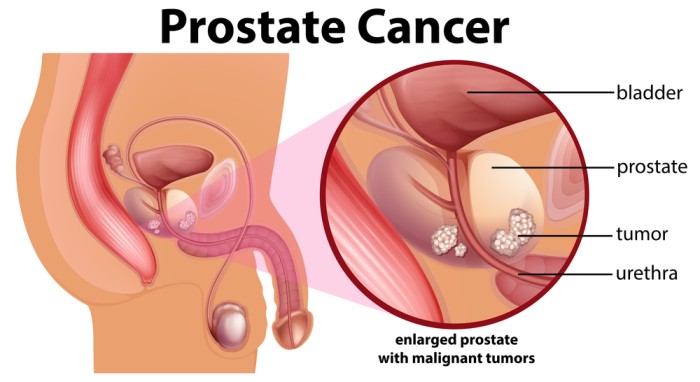
Prostate cancer is one of the most survivable cancers when it is caught before it spreads. In more than two-thirds of men who are diagnosed, the disease is still confined to the prostate, and that is the stage where our surgeons have the most options and the best outcomes to offer.
The catch is that early prostate cancer usually causes no symptoms at all. There is no pain, no trouble urinating, and no obvious warning sign to prompt a visit. That is exactly why routine screening matters so much, because it finds the disease during the quiet stretch, before it announces itself.
When to start the screening conversation
The American Cancer Society recommends that men make an informed decision about screening together with their doctor, and it sets different starting points based on risk:
- Age 50 for men at average risk who expect to live at least 10 more years
- Age 45 for Black men and for men whose father or brother was diagnosed before 65
- Age 40 for men with more than one close relative diagnosed at an early age
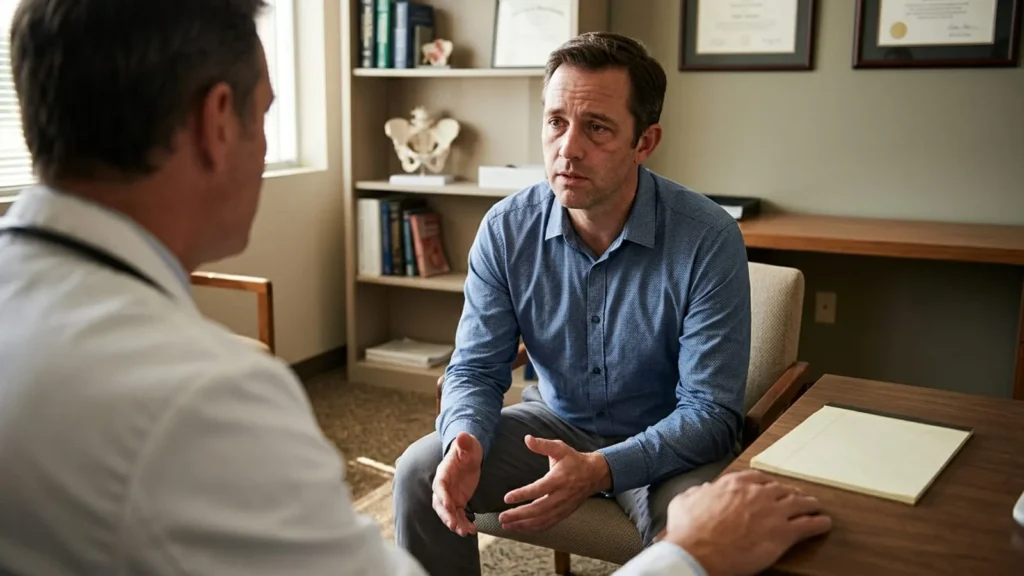
Screening itself is simple. It starts with a prostate-specific antigen (PSA) blood test, sometimes paired with a digital rectal exam, and it takes only a few minutes of an ordinary appointment. If the results look unusual, our urologists can follow up with advanced imaging and a targeted prostate biopsy rather than jumping straight to treatment.
What treatment looks like today
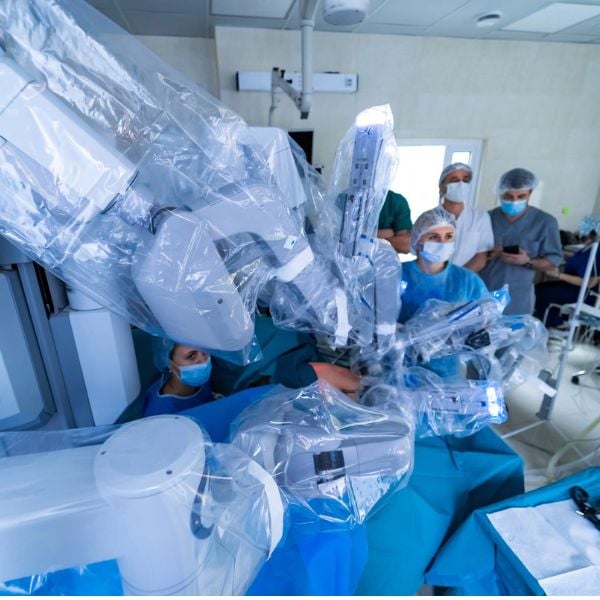
A prostate cancer diagnosis no longer means one standard path. Depending on the stage, the grade, and your own priorities, our urologists may recommend active surveillance, robotic-assisted surgery, radiation, hormone therapy, or some combination of them.
Dr. Bui specializes in nerve-sparing robotic-assisted prostatectomy, an approach designed to remove the cancer while protecting the nerves that control urinary and sexual function. That attention to quality of life is a big part of why so many of our patients can describe their years after treatment the way David describes his.
Survivorship does not end when treatment does
Being a survivor is an ongoing process, not a finish line. It includes follow-up PSA testing, managing any lingering side effects, and paying attention to the emotional weight a cancer diagnosis can leave behind, sometimes years later.
That longer view is the whole point of National Cancer Survivor Month, which the American Association for Cancer Research recognizes each June. Survivorship care is its own phase of medicine, and it deserves the same planning and attention as the surgery itself.
Stories like David’s do that work in a more personal way. Someone hears that a neighbor in Los Angeles is 11 years past a prostate cancer diagnosis and thriving, and they finally book the appointment they have been putting off.
Talk with our urologists about prostate cancer screening
If you are 40 or older, or you have a family history of prostate cancer, a PSA test is one of the easiest preventive steps you can take. Our urologists offer screening, advanced imaging, and the full range of prostate cancer treatment options in one place in Los Angeles.
Call Tower Urology at (855) 246-2700 or request an appointment online to get scheduled. Take it from David: the best time to get tested is early.