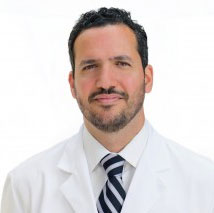
As a urologic surgeon at Cedars-Sinai Medical Center, I’m proud to offer my patients a new, highly advanced surgical option when removing the prostate gland.
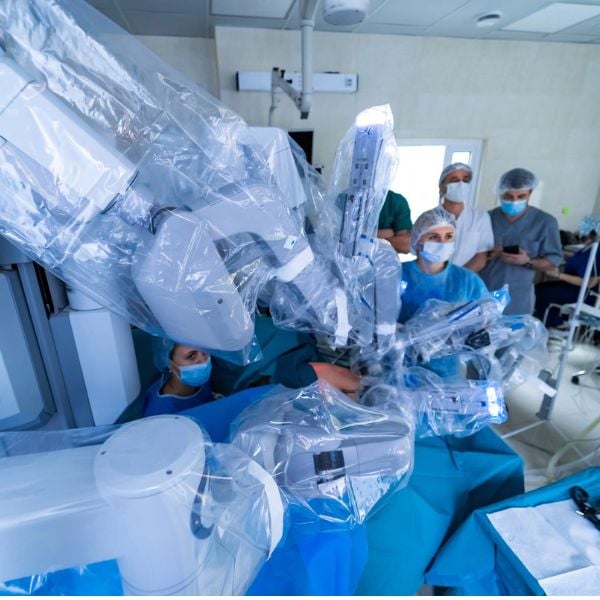
My surgical approach uses a specialized robotic system called the da Vinci Single-Port (da Vinci SP). This robotic-assisted surgery enables me to operate with high precision through a single small incision. This Da Vinci surgical system uses an “extraperitoneal approach.” This means I completely avoid entering the main abdominal cavity, which greatly reduces the risk of affecting other organs.
Based on my experience, this new technology, created by Intuitive Surgical, generally leads to less pain and faster recovery for my patients.
Currently, I am the only urologist at Cedars-Sinai performing radical prostatectomies with this complex procedure, thanks to my specialized training and experience.
Why is the da Vinci SP Robot different?
The standard robotic surgical system for prostate surgery typically requires several small incisions so surgeons can use multiple robotic tools. The new da Vinci SP system, a type of laparoscopic surgery, allows the procedure to be performed with just one small incision.

Through this opening, a single tube contains a tiny camera and three specialized robotic instruments that move like a surgeon’s wrist, making the procedure less invasive for the patient. In other words, this method is a minimally invasive surgery.
Key benefits of da Vinci Surgery
- Only one small opening is used, which means there is less damage to the muscles and tissues in the belly area.
- The robot’s flexible tools help the surgeon see more clearly and move more easily, even in tight spaces. This can also improve operative time.
- Your surgeon also gains significant ergonomic advantages, reducing musculoskeletal strain and pain. Increased comfort can lead to better patient outcomes.
- Because there are fewer cuts, people may feel less pain after surgery and may return to their normal routines more quickly.
- The knowledge that the US Food and Drug Administration (FDA) has cleared robotic-assisted surgical devices for use by trained physicians in an operating room environment. Some common surgical procedures that may involve RAS devices are gallbladder removal, hysterectomy, and prostatectomy (removal of the prostate).
Intraperitoneal vs. Extraperitoneal approaches: what’s the difference?
Robotic radical prostatectomy can be performed through two main routes:
- Intraperitoneal: The surgeon enters the abdominal cavity and works around the intestines to reach the prostate.
- Extraperitoneal: The surgeon stays outside the abdominal cavity, operating in the natural space between the abdominal wall and the peritoneum.
By using the extraperitoneal approach, I can avoid the bowel entirely, which gives patients numerous advantages, including:
- Reducing the risk of intestinal complications, such as adhesions or temporary bowel paralysis (also known as “ileus”).
- Reducing postoperative bloating.
- Allowing patients with previous abdominal surgery or scar tissue to undergo a prostatectomy more safely.
A patient-focused approach that puts patients first

Combining single-port robotic surgery with an extraperitoneal route provides the best of both worlds: the minimally invasive surgical precision of next-generation robotics and the lower-impact benefits of avoiding entry into the abdominal cavity.
For my patients, that often translates into significant advantages such as:
- Smaller incisions and improved cosmetic results.
- Reduced postoperative pain.
- Potentially shorter hospital stays and a quicker return to daily life.
Continuing innovation at Cedars-Sinai and Tower Urology
Using a small opening with the robot, combined with a minimally invasive surgical method that doesn’t enter the abdomen, provides you with the benefits of both advanced technology and less invasive surgery. This results in better health care: less strain on your body, helping you recover faster and feel better afterward.
My goal is to help each patient achieve optimal cancer management while improving recovery and comfort.
If you or a loved one is considering surgical treatment for prostate cancer and wants to learn more about the da Vinci SP extraperitoneal radical prostatectomy, I invite you to schedule a consultation to discuss whether this approach is right for you.
Why do patients nationwide trust Tower Urology?
At Tower Urology, Dr. Premal J. Desai and our team of urology specialists understand that complex cases like Nancy’s require both advanced diagnostic skills and surgical expertise. Our team combines state-of-the-art robotic surgical techniques with a thorough investigative approach to ensure that no stone is left unturned in your urological care.
Tower Urology is a proud affiliate of Cedars-Sinai Medical Center, ranked #1 in California and #2 nationwide by U.S. News & World Report. This partnership reflects our dedication to delivering the highest standard of urologic care alongside the best urologists in Los Angeles. Our years of experience and access to Cedars-Sinai’s world-class facilities ensure our exceptional, innovative urologic care positions Tower Urology as a leader in Southern California.
Tower Urology is conveniently located for patients throughout Southern California, including Los Angeles, Beverly Hills, Santa Monica, West Los Angeles, West Hollywood, Culver City, Hollywood, Venice, Marina del Rey, Burbank, Glendale, and Downtown Los Angeles.