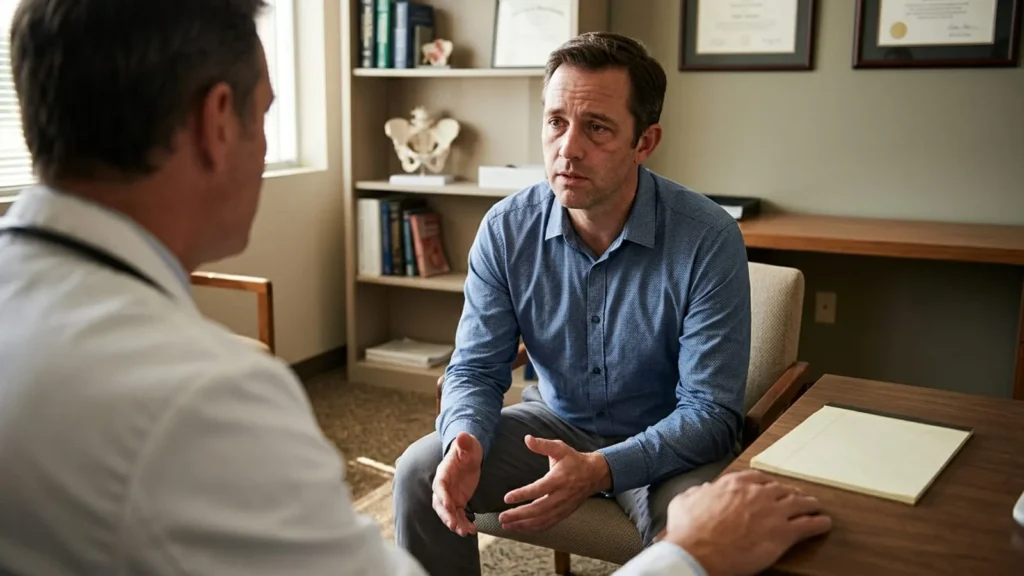
 Lev Branover’s primary care physician didn’t like the results of his Prostate-Specific Antigen test (PSA). The blood test screens the prostate — a small gland that’s part of the male reproductive system — for a protein made mainly by cells in the prostate gland.
Lev, 74, had an enlarged prostate for several years, which is common in older men. But the elevated PSA test caused his doctor to become suspicious of prostate cancer, and he referred Lev to Dr. David Josephson at Tower Urology.
Prostate cancer is now the most diagnosed cancer in American men, aside from skin cancer, and is the second-leading cause of cancer death among men, trailing only lung cancer.
“Dr. Josephson immediately scheduled surgery at Cedars-Sinai Medical Center. That was two years ago,” says Lev, who owns an electrical contracting company with 10 employees.
Lev’s procedure: multiport laparoscopic robotic prostatectomy
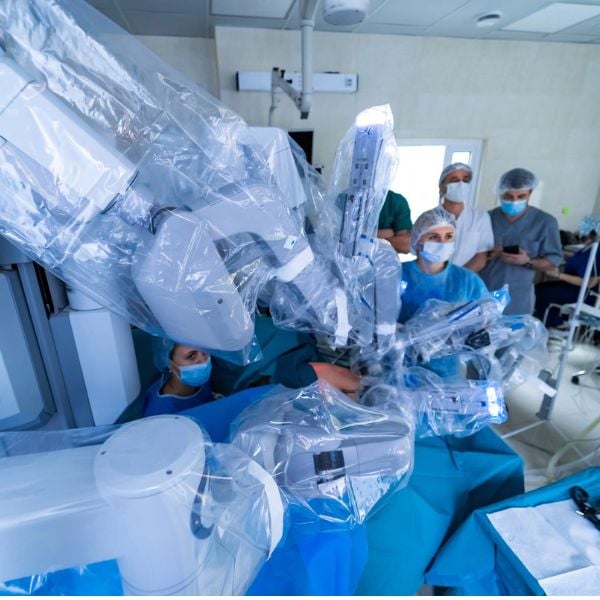
Also known as robotic prostatectomy, this surgery involves removing the prostate, seminal vesicles, and lymph nodes. The robotic approach, where the surgeon controls robotic arms through small incisions, is now considered the best surgical method when performed by the most experienced surgeons.
How is robotic prostatectomy surgery performed?
The first step is to make several small incisions in the lower abdomen. One for the camera with 3D magnification. Other incisions are used to accommodate robotic arms that hold instruments such as scissors, forceps, and cauterizing devices.
Dr. Josephson then used specialized instruments to carefully separate the prostate gland from its surrounding tissues. The critical part of the surgery is sparing the nerves surrounding the prostate gland. This stage preserves erectile and urinary functions by sparing neurovascular bundles.
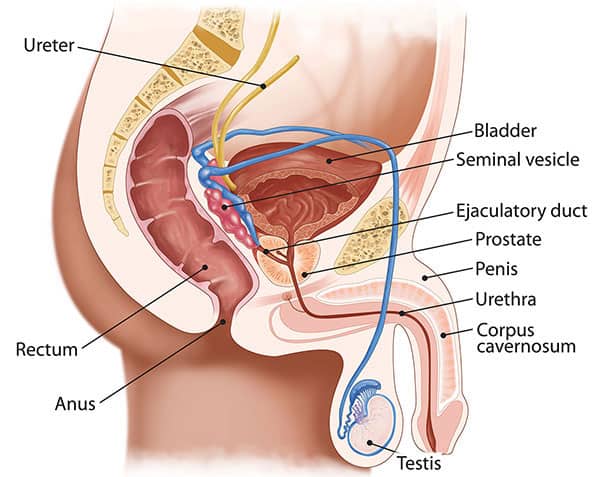
The prostate gland is then detached and removed through one of the small incisions. After this task, the bladder is reconnected to the urethra.
Previously, doctors made a single large incision in the abdomen, which was much more intrusive and involved a far longer recovery time.
Lev’s robotic radical prostatectomy recovery
Lev was more than thrilled with Dr. Josephson’s level of expertise. “He is an excellent surgeon,” says Lev of the 3.5-hour procedure. “He calmed me down, and I greatly appreciated his surgical skill.”
Lev spent a day in the hospital after surgery and was then sent home with a catheter, cared for by his wife.
Like any major surgery, there was pain and fatigue for about a week. “The first week was a little unpleasant, but honestly, it was not too bad,” says Lev.
In about two weeks, the tiny laparoscopic incisions healed, and he began walking. Three weeks later, he was back on the job managing his employees.
Lev’s life after his robotic prostatectomy
Dr. Josephson is quite pleased with the surgical results. “He had no complications or unusual events,” remarks Dr. Josephson. “He has had a full return of functional outcomes and undetectable PSA.”
Lev is enjoying life being cancer-free, which, of course, can be a significant distraction and concern.
“I appreciate Dr. Josephson’s skill and his level of care,” says Lev. “I still see him for a check-up every six months to make sure I am still cancer-free.”
What sets Tower Urology’s prostate cancer care apart from other Los Angeles urology practices?
Dr. Josephson, along with other Tower Urology surgeons, has been recognized by Newsweek Magazine as among the nation’s top prostate surgeons. Tower’s urologists deliver trusted care backed by decades of experience and outstanding outcomes.
We take a personalized, evidence-based approach to patient care and are committed to delivering expert care. We take the time to understand you so that we can personalize your treatment plan to your specific needs.
Our services include treatment for Benign Prostatic Hyperplasia (BPH), elevated PSA, and prostatitis.