Understanding Adrenalectomy: When Is Adrenal Gland Removal Necessary?
Adrenal glands are small but powerful organs that play a crucial role in maintaining overall health. They produce hormones that the body relies on for many different processes. When these glands produce too much or too little hormone, or when a tumor develops, a surgical procedure known as an adrenalectomy may become necessary to restore balance and protect overall health.

What are the adrenal glands?
The adrenal glands are triangular endocrine glands found on top of each of your kidneys. They are small but essential, producing vital hormones that regulate a wide array of bodily functions. Each adrenal gland has two parts: the outer adrenal cortex and the inner adrenal medulla.
The outer adrenal cortex produces several types of steroid hormones, including:
- Glucocorticoids (such as cortisol) help regulate your metabolism, suppress inflammation, and support your body’s response to stress.
- Mineralocorticoids (such as aldosterone) help maintain the balance of salt and water in your body, which directly affects your blood pressure.
- Adrenal androgens help trigger physical changes during puberty.
The inner adrenal medulla produces catecholamines, including:
- Adrenaline (epinephrine)
- Noradrenaline (norepinephrine)
These hormones are essential to your fight-or-flight response, preparing your body to act immediately by increasing heart rate, blood pressure, and glucose levels in times of stress.
What is an adrenalectomy?
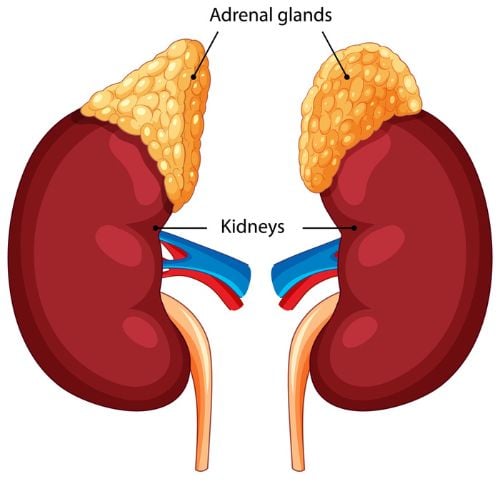
An adrenalectomy is a surgical procedure, often referred to as adrenal or endocrine surgery, that involves removing one or both of your adrenal glands.
Adrenal gland disorders and hormone imbalances are the two most common reasons an adrenalectomy is performed.
The presence of adrenal gland tumors, whether benign or cancerous, may necessitate adrenal gland surgery. Adrenal tumors can include adenomas (non-cancerous growths that may still secrete excessive hormones) or more serious conditions such as adrenocortical carcinoma, a rare but aggressive form of cancer.
Pheochromocytoma, another type of tumor originating in the adrenal medulla, causes overproduction of adrenaline and noradrenaline, leading to dangerously high blood pressure among other symptoms.
In rare cases, an adrenalectomy may be considered for metastatic cancer that has spread to the adrenal glands from other parts of the body.
Other conditions that may necessitate an adrenalectomy include hormonal imbalances. For instance:
- Cushing’s syndrome results from chronically high levels of cortisol, often due to an adrenal tumor.
- Conn’s syndrome (primary hyperaldosteronism) is often caused by an aldosteronoma (a tumor that produces too much aldosterone), leading to high blood pressure and low potassium levels.
But this type of surgery is a significant intervention and is generally not a first-line treatment. Endocrine surgeons perform the procedure after thorough diagnostic evaluations confirm it is necessary, with the goal of relieving your symptoms, preventing further complications, and in cases of malignancy, removing cancerous tissue.
Types of adrenalectomy procedures
Choosing the right approach depends on the tumor size and location, whether one or both glands are involved, and your overall health.
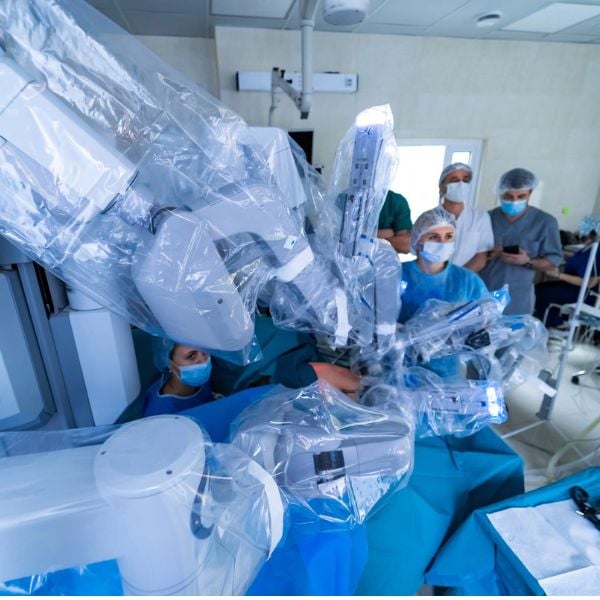
Laparoscopic adrenalectomy (minimally invasive surgery)
The most common approach for benign or small tumors is a laparoscopic adrenalectomy, a form of laparoscopic surgery often performed using robotic surgery. It uses small incisions and a camera (laparoscope) to remove the adrenal gland, similar to the approach used in a retroperitoneoscopic adrenalectomy.
Benefits of this minimally invasive approach include less pain, smaller scars, a shorter hospital stay, and a faster recovery.
Open adrenalectomy
An open adrenalectomy is more invasive, using a single larger incision. It is generally reserved for large tumors, suspected malignancy, or complex cases. Recovery is longer, but it gives your surgeon better access and control during difficult surgeries.
Partial adrenalectomy
In a partial adrenalectomy, only the diseased portion of your adrenal gland is removed while healthy tissue is preserved. It is usually used for small, localized tumors. It can also be an option when the goal is to maintain natural hormone production, reducing or eliminating the need for lifelong hormone replacement therapy (HRT).
What to expect during an adrenalectomy
Before adrenal surgery, you will undergo preoperative examinations, including blood tests to evaluate hormone levels and kidney function, and imaging tests such as CT or MRI to clearly show the location of your adrenal mass.
Additional checks, such as an electrocardiogram (EKG/ECG) or a chest X-ray, may be required to assess heart and lung function. An endocrinologist is often involved to help stabilize hormone imbalances before surgery, particularly in conditions such as pheochromocytoma, where blood pressure control is essential.
In the days or weeks leading up to surgery, you may be asked to take steps to prepare (such as temporarily stopping medications like blood thinners, or in some cases starting medications such as alpha-blockers to control your blood pressure and heart rate). Recommended changes to lifestyle often include stopping smoking, avoiding alcohol, and maintaining a healthy diet to support post-operative healing.
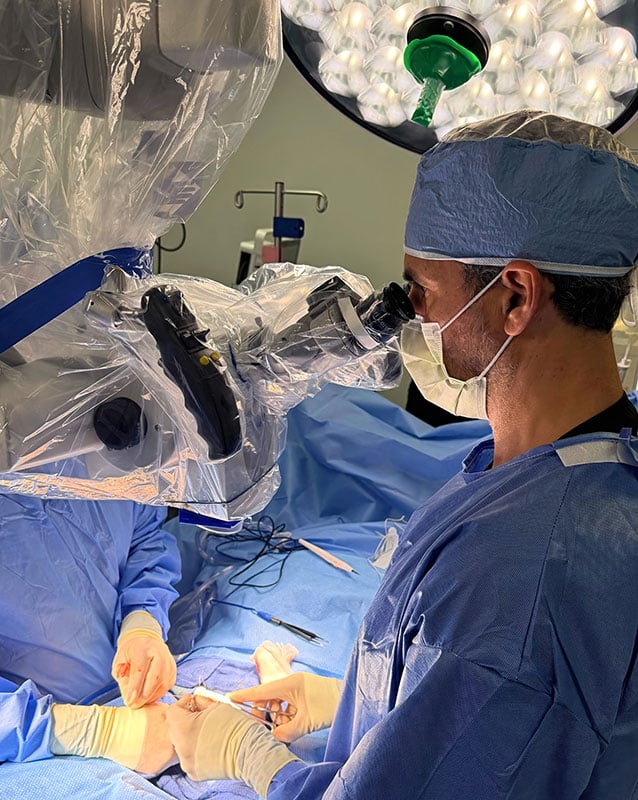
Adrenal surgery is performed under general anesthesia and is an inpatient procedure, regardless of whether an open or laparoscopic approach is used. The procedure typically lasts between one and three hours for laparoscopic cases, with longer operative times for more complex open surgeries. During surgery, your entire adrenal gland (or a portion of it) is carefully removed and sent for pathology analysis.
Recovery time can vary, but patients typically stay in the hospital for one to three days following robotic adrenalectomy and three to seven days after open surgery. Pain is managed with medication, sometimes delivered intravenously at first before moving to oral options such as ibuprofen as recovery progresses.
After surgery, you will start with a liquid diet, with a gradual return to regular food. Gentle walking is encouraged in the early stages of recovery to support circulation. Normal activities can be resumed slowly, but heavy lifting and strenuous activity should be avoided for several weeks while your incision sites heal and are monitored for signs of infection.
Potential risks and complications
As with any surgical procedure, an adrenalectomy carries some risks, although serious complications are uncommon. General risks include reactions to anesthesia, bleeding, infection, nausea, vomiting, hernia formation, and blood clots such as deep vein thrombosis (DVT) or pulmonary embolism (PE), as well as potential injury to surrounding organs.
Specific risks with this type of surgery include damage to nearby structures such as the kidney, pancreas, spleen, or colon. If both adrenal glands are removed during a bilateral adrenalectomy, ongoing hormone deficiency may require lifelong HRT. Even with one gland removed, a temporary disruption to hormone production can occur.
In pheochromocytoma cases, there is also a risk of blood pressure spikes during surgery if not properly controlled beforehand.
What does life look like after an adrenalectomy?
Life after an adrenalectomy often involves meaningful adjustments, particularly regarding hormone regulation and long-term medical follow-up.
Hormone replacement therapy

If both adrenal glands are removed, or if your remaining adrenal gland produces insufficient hormones, you will require lifelong HRT. This typically involves taking daily medications. For example:
- Hydrocortisone or prednisone (to replace cortisol)
- Fludrocortisone (to replace aldosterone)
Regular monitoring of your hormone levels is essential to ensure appropriate dosing, as inadequate replacement can lead to adrenal crisis, a life-threatening condition.
Follow-up care
Regular follow-up appointments with an endocrinologist and surgeon are crucial after an adrenalectomy to:
- Monitor your hormone levels
- Assess your recovery progress
- Check for any recurrence of disease (if appropriate)
- Manage any long-term complications
The frequency of these visits will depend on your specific condition and recovery trajectory.
Adjusting to life without adrenal glands (or with only one)
Adjusting to life without one or both adrenal glands means learning to manage HRT effectively. You’ll need to recognize the signs and symptoms of adrenal insufficiency and know when to adjust your medication dosage, particularly during times of stress, illness, or surgery.
Wearing a medical alert bracelet or carrying an emergency steroid injection kit is often recommended for individuals on lifelong HRT. But with proper management, patients can lead full and active lives.
Prognosis and long-term outlook
The prognosis after an adrenalectomy is generally good, especially for benign conditions. For malignant tumors, the prognosis depends on the type and stage of cancer at the time of surgery. However, successful removal of hormone-producing tumors often leads to symptom resolution and an improvement in overall health.
Your long-term outlook also depends on you maintaining follow-up care and, if necessary, consistent HRT. Many patients experience a significant improvement in their quality of life once the underlying adrenal problem is addressed.
Why trust Tower Urology with your adrenal health?
If you have been diagnosed with an adrenal gland disorder or an adrenal mass found incidentally (known as an adrenal incidentaloma), or if unexplained high blood pressure or hormonal symptoms have impacted your life, our team at Tower Urology is here to help. We offer expert evaluation, precise endocrine and urologic surgery, and personalized care for patients across Southern California.
We invite you to establish a healthcare plan with Tower Urology. Please request an appointment online or call us at (310) 854-9898.
Tower Urology is a proud affiliate of Cedars-Sinai Medical Center, ranked #1 in California and #2 nationwide by U.S. News & World Report. Our years of experience and access to world-class facilities ensure exceptional urological care.
Tower Urology is conveniently located for patients throughout Southern California and Los Angeles, including Beverly Hills, Santa Monica, West Los Angeles, West Hollywood, Culver City, Hollywood, Venice, Marina del Rey, Burbank, Glendale, and Downtown Los Angeles.
Frequently asked questions about adrenalectomy

How quickly your hormone levels stabilize depends on which gland was removed and why. If the adrenalectomy was performed to treat a cortisol-producing tumor (such as in Cushing’s syndrome), the remaining adrenal gland (if present) may take weeks or months to resume normal function, because it has been suppressed by excess cortisol.
During this period, temporary steroid replacement is typically required. If both glands are removed, HRT is lifelong.
In many cases, yes. When a hormone-secreting adrenal tumor, such as a pheochromocytoma or an aldosterone-producing adenoma (Conn’s syndrome), causes high blood pressure, surgical removal of the tumor often leads to meaningful improvement or complete resolution of hypertension.
But it can vary from person to person. Some patients can stop blood pressure medications entirely, while others may have to continue, but at reduced doses.
Yes. When only one adrenal gland is diseased, a unilateral adrenalectomy (removal of a single gland) is the standard approach. In most patients, the remaining healthy gland is fully capable of producing sufficient hormones on its own.
However, in the short term, particularly if the tumor was producing excess cortisol, the remaining gland may need time to “wake up” after years of suppression. During this time, temporary hormone supplementation is often needed.
An adrenal incidentaloma is an adrenal mass discovered unintentionally, typically on imaging carried out for an unrelated reason. Not all incidentalomas require surgery. The decision depends on two key factors: whether the mass secretes hormones (functional) and whether it shows features of malignancy on imaging.
Small, non-functioning, benign-appearing masses are often monitored with periodic imaging and hormone testing rather than removed immediately. Surgery is typically recommended when the mass is larger than 4 cm, shows suspicious imaging features, or is confirmed to be producing excess hormones, regardless of size.
Sources:
Surgical Indications and Techniques for Adrenalectomy
https://pubmed.ncbi.nlm.nih.gov/32377128
Adrenalectomy
https://www.ncbi.nlm.nih.gov/books/NBK559093
Perioperative outcomes of robotic and laparoscopic adrenalectomy: a large international multicenter experience
https://pubmed.ncbi.nlm.nih.gov/32328826
Adrenocortical Carcinoma
https://www.ncbi.nlm.nih.gov/books/NBK546580
Adrenal disorders
https://pubmed.ncbi.nlm.nih.gov/23027458