When urinary symptoms become unbearable
Urinary incontinence (UI) is when a person cannot control their bladder. One of the most common symptoms is unwanted urine leakage. UI can happen for many reasons, such as childbirth, urinary tract infections, or menopause (which causes changes in estrogen and progesterone levels). Another reason is pelvic organ prolapse. Also known as POP, pelvic organ prolapse occurs when pelvic organs (like the bladder, uterus, rectum) weaken and drop down. They then bulge into or out of the wall of the vagina due to weakened pelvic floor muscles and connective tissues.
Regardless of the cause, urinary leaking can truly affect quality of life. “Incontinence was driving me crazy. I was leaking everywhere, even through pads,” Ellen recalls. Her urinary incontinence had progressed beyond mere inconvenience to a condition that dominated her daily life. Like many women experiencing pelvic floor disorders, Ellen initially consulted her regular gynecologist.
“He said you really need a specialist, like a urogynecologist,” Ellen explains. Her gynecologist recognized that her symptoms of pelvic organ prolapse, which can include cystocele (bladder dropping), uterine prolapse, rectocele (back wall weakness), or enterocele (small intestine descent), required specialized expertise from a doctor skilled in both women’s health and urology.
At the age of 71, Ellen, was a dealing with worsening urinary incontinence and pelvic organ prolapse. For her, finding the right specialist meant the difference between ongoing frustration and complete relief. Ellen’s journey with Dr. Paige Kuhlmann at Tower Urology is an example of how advanced robotic surgical techniques, combined with genuine compassion and accessibility, can transform a woman’s quality of life.
Finding accessibility and skill in Dr. Kuhlmann
Ellen’s path to Dr. Kuhlmann involved both practical considerations and fortunate timing. “My gynecologist referred me to someone else, but I couldn’t get in,” she recalls of the initial referral. “I looked around and found Dr. Kuhlmann by chance.“ She then discovered that Dr. Kuhlmann took her health insurance and could get her in within a week. This made the decision effortless.
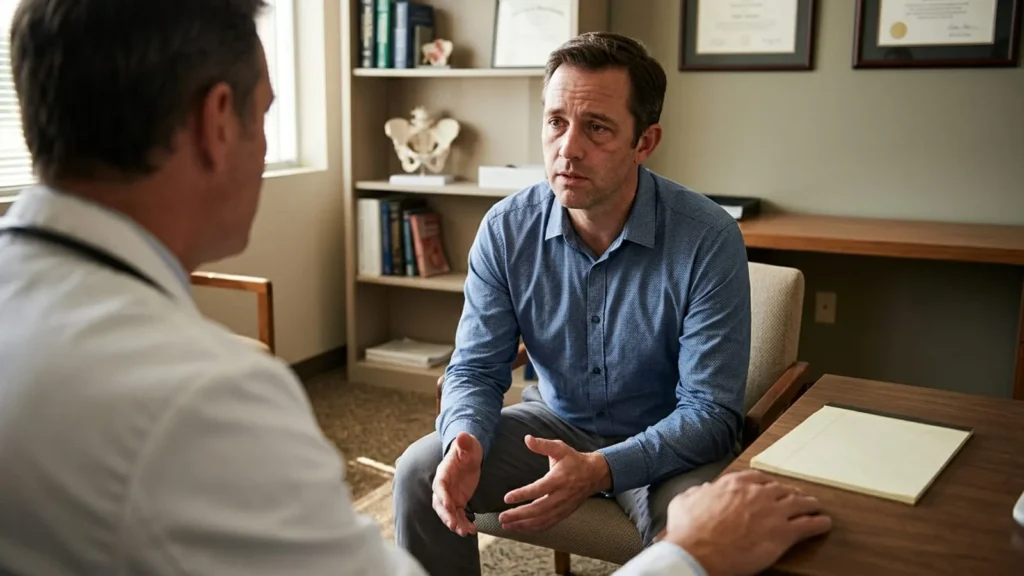
Ellen’s first impression of Dr. Kuhlmann set the tone for their entire relationship. “Dr. Kuhlmann was sweet, friendly, and made me feel comfortable,” Ellen says. She also provided something equally important as a welcoming atmosphere—she gave Ellen her full attention.
“She wasn’t rushed. She took her time and gave me eye contact and took it all in when I told her my concerns,” Ellen emphasizes. In an era when many patients feel hurried through appointments, this unhurried presence created space for Ellen to fully explain her symptoms and concerns.
Discussing various treatments for urinary incontinence
Dr. Kuhlmann’s evaluation (including a pelvic exam) revealed that Ellen needed more than simple prolapse repair or a sling procedure for her incontinence. “We discussed my options, and she suggested a hysterectomy and that she could rebuild my bladder,” Ellen recalls.
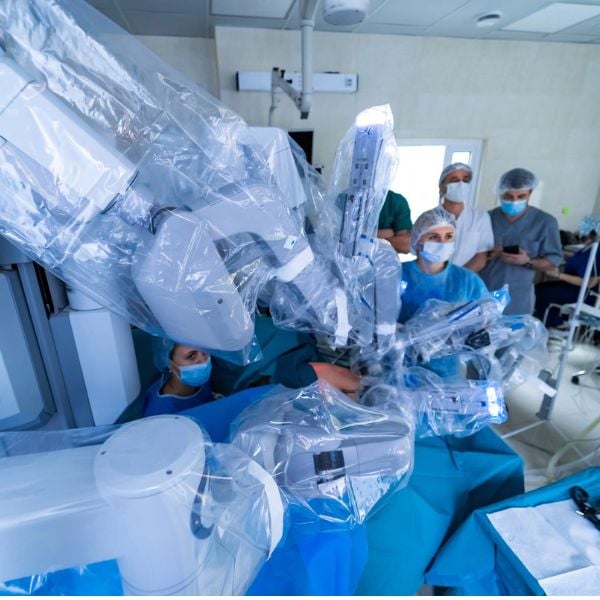
The comprehensive surgical plan Dr. Kuhlmann recommended included robotic sacrocolpopexy. This minimally invasive procedure uses small incisions to attach the top of the vagina to the tailbone area with sutures and surgical mesh. This restores the prolapsed organs to their normal position. The surgical plan also involved a supracervical hysterectomy. This procedure would remove the uterus while preserving the cervix. The last part of the plan was the placement of a sling to address the stress urinary incontinence. This combination approach would address Ellen’s multiple types of prolapse and restore proper pelvic floor support, all with advanced laparoscopic techniques that can make recovery smoother.
“I felt confident that she was knowledgeable and knew what to do. She explained everything. When I would ask questions and she would promptly answer,” Ellen states.
Dr. Kuhlmann’s commitment to patient communication extended beyond office visits. “I would even email her questions afterward, and she would respond right away. She was very accessible,” Ellen notes. This responsiveness, particularly important for patients making major surgical decisions, demonstrated Dr. Kuhlmann’s dedication to ensuring that Ellen felt informed and supported.
Ellen had an additional worry beyond her pelvic floor disorders. “When I had the hysterectomy, they took a biopsy of my ovaries because a close relative had ovarian cancer,” she explains. Ellen was relieved that the biopsy was an option. Her family history created understandable anxiety around risk factors and future health conditions she could potentially face. However, Dr. Kuhlmann handled the situation with both clinical competence and emotional sensitivity.
Compassionate post-operative care at Tower Urology
The surgical procedure was scheduled fairly quickly, and Dr. Kuhlmann saw Ellen before surgery. “She was warm and made me feel very confident that she knew what she was doing and that everything would be okay,” Ellen recalls.
Dr. Kuhlmann’s attentiveness continued after the surgical procedure as well. “After surgery, she came by, and I didn’t feel like she was rushed. She asked me if I had any more questions,” Ellen says. When the biopsy results became available, Dr. Kuhlmann didn’t wait for a scheduled follow-up. “She quickly emailed me the biopsy results, which were negative, as soon as she had them,” Ellen reports with evident relief.
“Dr. Kuhlmann was very encouraging during the whole process,” Ellen emphasizes. The psychological support during recovery time, particularly when awaiting potentially concerning test results, was just as appreciated as Dr. Kuhlmann’s technical surgical expertise.
Ellen notes that Dr. Kuhlmann isn’t the only one who made her experience exceptional. Her gratitude extends to the entire Tower Urology team. “I was also really happy with the staff. During the diagnostics, like ultrasounds, they were really nice,” she notes. At Tower Urology, a supportive healthcare environment, from scheduling to diagnostic procedures to post-operative care, contributes significantly to patient comfort and satisfaction.
Complete relief from incontinence
The results of Dr. Kuhlmann’s comprehensive reconstructive surgery exceeded Ellen’s hopes. “I have no more incontinence. She solved the problem,” Ellen states simply. The combination of sacrocolpopexy for prolapse repair, hysterectomy, and sling placement addressed all her pelvic floor concerns in a single surgical procedure.
Beyond the physical relief, Ellen experienced emotional peace as well. “I feel a relief with the hysterectomy, no more risk of ovarian cancer, and all my symptoms are gone,” she explains. The negative biopsy results, combined with the complete resolution of her urinary incontinence and pelvic organ prolapse symptoms, boosted her confidence and comfort.
Ellen’s assessment of Dr. Kuhlmann captures both her clinical skills and personal qualities. “Dr. Kuhlmann is caring and kind. She treated me with respect and made me feel safe,” Ellen declares.
For women dealing with pelvic organ prolapse, stress incontinence, or other pelvic floor disorders, Ellen’s story offers hope. While nonsurgical treatments like pessary devices, pelvic floor exercises (Kegel exercises), physical therapy, and lifestyle modifications work for some patients with mild symptoms, others require surgical options to restore the normal position of prolapsed organs and resolve urinary incontinence.
Advanced, minimally invasive techniques like robotic sacrocolpopexy offer effective prolapse repair with smaller incisions, faster recovery time, and excellent outcomes compared to traditional open surgery. When performed by experienced urogynecologic surgeons who combine technical expertise with genuine compassion, these surgical procedures can dramatically improve quality of life, allowing women to return to activities without the constant worry of leaking or the discomfort of prolapse symptoms.
Why choose Tower Urology for pelvic organ prolapse and women’s health?
At Tower Urology, our specialists understand that pelvic floor disorders significantly impact daily life and emotional well-being. Dr. Kuhlmann and our team provide comprehensive care for all types of pelvic organ prolapse, including cystocele, rectocele, uterine prolapse, enterocele, and vaginal vault prolapse. We offer personalized treatment plans ranging from nonsurgical treatments like pessary management and pelvic floor exercises to advanced surgical options, including robotic sacrocolpopexy, native tissue repair, colporrhaphy, and sling procedures. These minimally invasive laparoscopic techniques provide effective prolapse repair with faster recovery time and excellent long-term outcomes.
We invite you to establish care with Tower Urology. Please make an appointment online or call us at (310) 854-9898.
Tower Urology is a proud affiliate of Cedars-Sinai Medical Center, ranked #1 in California and #2 nationwide by U.S. News & World Report. This partnership reflects our dedication to delivering the highest standard of urologic care alongside the best urologists in Los Angeles. Our years of experience and access to Cedars-Sinai’s world-class facilities ensure that our exceptional and innovative urological care positions Tower Urology as a leader in Southern California.
Tower Urology is conveniently located for patients throughout Southern California and Los Angeles, including Beverly Hills, Santa Monica, West Los Angeles, West Hollywood, Culver City, Hollywood, Venice, Marina del Rey, Burbank, Glendale, and Downtown Los Angeles.
Our services include comprehensive treatment for pelvic organ prolapse, urinary incontinence, and all pelvic floor disorders, with expertise in both conservative and surgical management.
If you’re experiencing pelvic organ prolapse, urinary incontinence, or other pelvic floor concerns, Tower Urology offers expert evaluation and comprehensive treatment options. Contact us to schedule a consultation.
Frequently asked questions about robotic sacrocolpopexy and prolapse repair

Yes, combining procedures like sacrocolpopexy, supracervical hysterectomy, and sling placement in a single surgical procedure is often appropriate when multiple pelvic floor disorders need addressing. This comprehensive approach treats both prolapse and stress incontinence simultaneously, avoiding multiple surgeries and recovery periods while achieving complete symptom resolution.
Most patients resume light activities within days and return to normal activities within 4-6 weeks after minimally invasive laparoscopic prolapse repair. Restrictions on heavy lifting, strenuous exercise, and heavy objects typically last 6-8 weeks to allow proper healing. The smaller incisions used in robotic surgery generally mean less pain and faster recovery compared to traditional open surgical options.
After successful prolapse repair with sacrocolpopexy and sling placement, most patients achieve complete symptom relief without needing pessary devices. However, pelvic floor exercises and maintaining a healthy weight remain important for long-term pelvic floor health, preventing future issues, and maintaining the surgical repair. Your surgeon will provide specific guidance based on your individual situation and type of prolapse treated.
Sources:
Effect of Pessary vs Surgery on Patient-Reported Improvement in Patients With Symptomatic Pelvic Organ Prolapse
https://pmc.ncbi.nlm.nih.gov/articles/PMC9857016/
Urinary Incontinence
https://www.ncbi.nlm.nih.gov/books/NBK559095/