You had a vasectomy weeks – or even months – ago, and the pain still hasn’t gone away. You were told it would pass, but it hasn’t, and now you’re wondering if something is seriously wrong. That uncertainty is one of the most frustrating parts of post-vasectomy pain syndrome: it’s real, it’s recognized, and yet far too many men are dismissed or left without a clear path forward.
If you’re still experiencing testicular or scrotal pain long after your vasectomy and you’re not sure whether it’s normal or something that needs treatment, this guide will help you understand what PVPS is, what’s causing your pain, and the specific steps – from conservative therapies to surgical solutions – that specialists use to bring lasting relief. You’ll also learn what questions to ask your urologist before a vasectomy to assess your personal risk, what symptoms should prompt an urgent call, and how a specialist in chronic scrotal pain approaches treatment differently than a general practitioner.
If you’re dealing with persistent pain and want to speak with a specialist, our team at Tower Urology’s men’s urological health practice in Los Angeles has experience evaluating and treating chronic testicular pain at every stage.
What Is Post-Vasectomy Pain Syndrome – and How Is It Different From Normal Recovery?
Normal post-vasectomy recovery involves bruising, mild swelling, and soreness that typically resolves within one to two weeks. Post-vasectomy pain syndrome (PVPS) is categorically different. It is defined as constant or intermittent testicular pain persisting for more than three months after a vasectomy – pain significant enough to interfere with daily activities, physical exertion, or sexual function.
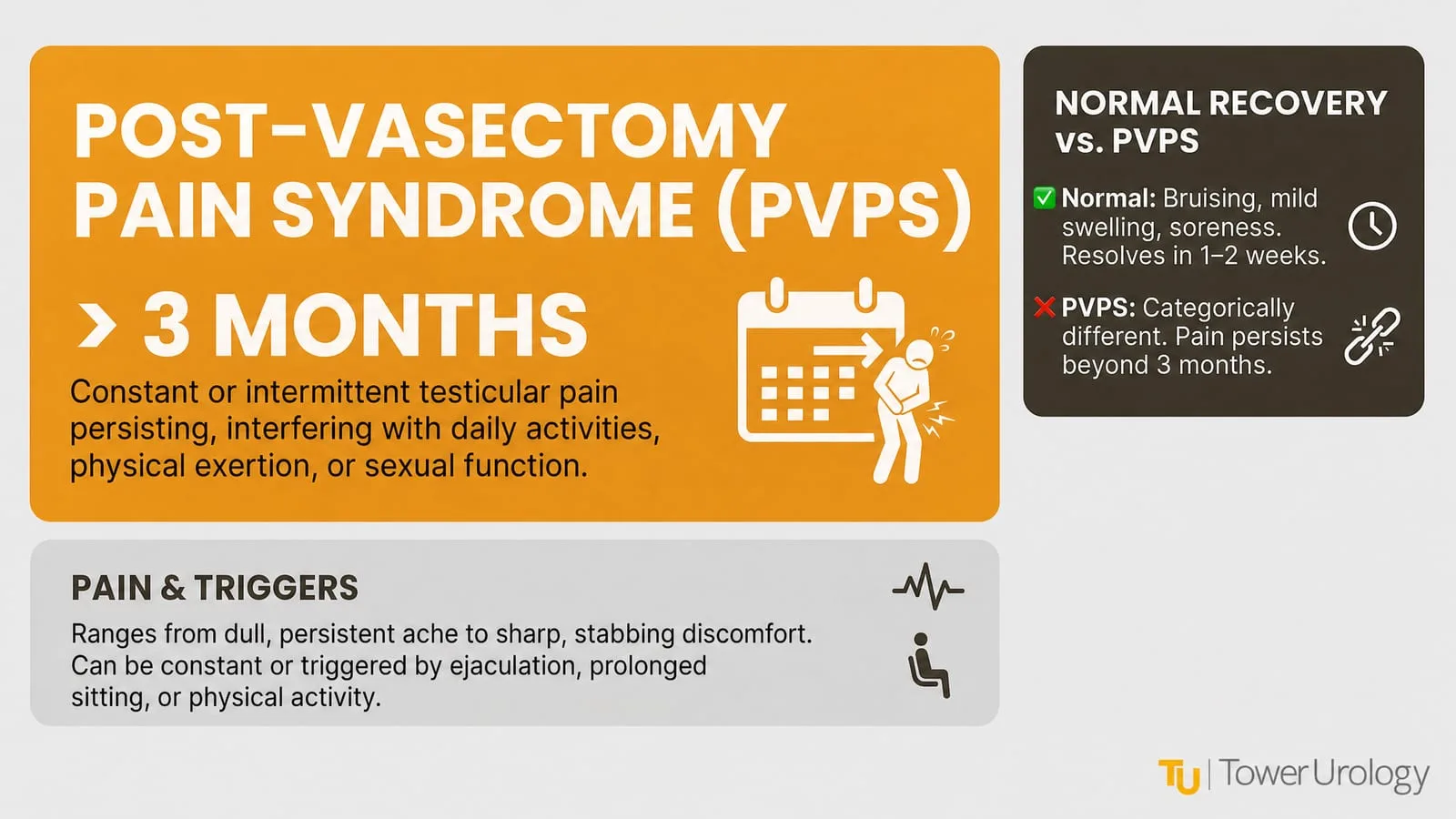
The distinction matters because the treatment approach differs entirely. Short-term soreness is managed with rest and over-the-counter anti-inflammatories. PVPS requires a structured evaluation by a urologist who understands the anatomy of the spermatic cord, epididymis, and involved nerve pathways. According to a peer-reviewed analysis published in Translational Andrology and Urology, PVPS is widely recognized as one of the most underreported complications of vasectomy, partly because men normalize the pain or assume nothing can be done.
The pain can range from a dull, persistent ache to sharp, stabbing discomfort. Some men feel it constantly; others notice it only during ejaculation, prolonged sitting, or physical activity. Both presentations qualify as PVPS if they persist beyond the three-month threshold.
When should I see a doctor for pain after a vasectomy?
See a urologist immediately if you develop sudden worsening pain, fever, discharge from the surgical site, or a rapidly growing lump in the scrotum – these are red-flag symptoms that require urgent evaluation to rule out infection, hematoma, or torsion. If the pain is milder but still isn’t resolving after four to six weeks, schedule a non-urgent appointment rather than waiting it out. The earlier PVPS is identified and treated, the better the outcomes tend to be.
How Common Is PVPS? Understanding Your Risk Before and After Vasectomy
This is the question most men never think to ask before their procedure – and it’s the most important one. According to Mayo Clinic urologist Dr. Sevann Helo, approximately 1 to 2 percent of the roughly 500,000 men who undergo vasectomy in the United States each year will develop chronic testicular pain that meets the PVPS definition. That figure is widely considered an underestimate because many men don’t report the pain to their doctor.
A broader body of research, including a 2025 review published in Cureus, suggests that up to 15 percent of men experience some degree of persistent scrotal discomfort after vasectomy, with a smaller subset developing pain severe enough to seek treatment. The gap between “some discomfort” and “debilitating PVPS” is real, but it underscores why pre-procedure counseling matters.
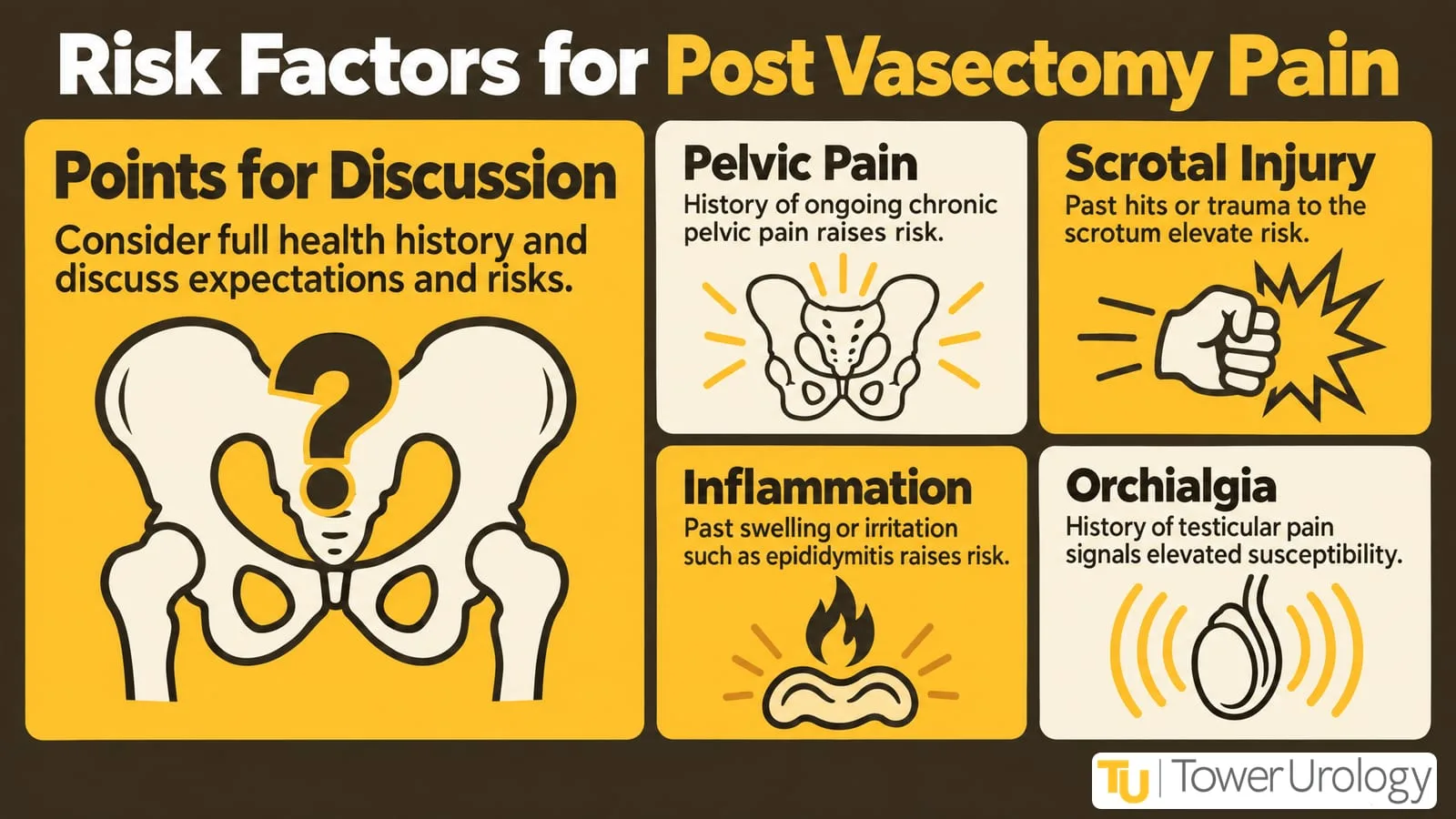
Certain factors may increase individual risk. Men with a prior history of chronic pelvic pain, epididymitis, orchialgia, or hypersensitivity to pain signals may be more susceptible. Men who have experienced scrotal trauma or prior scrotal surgery also carry elevated risk. This is exactly the kind of conversation that should happen before you sign the consent form – not after you’re already in pain.
How long does post-vasectomy pain last?
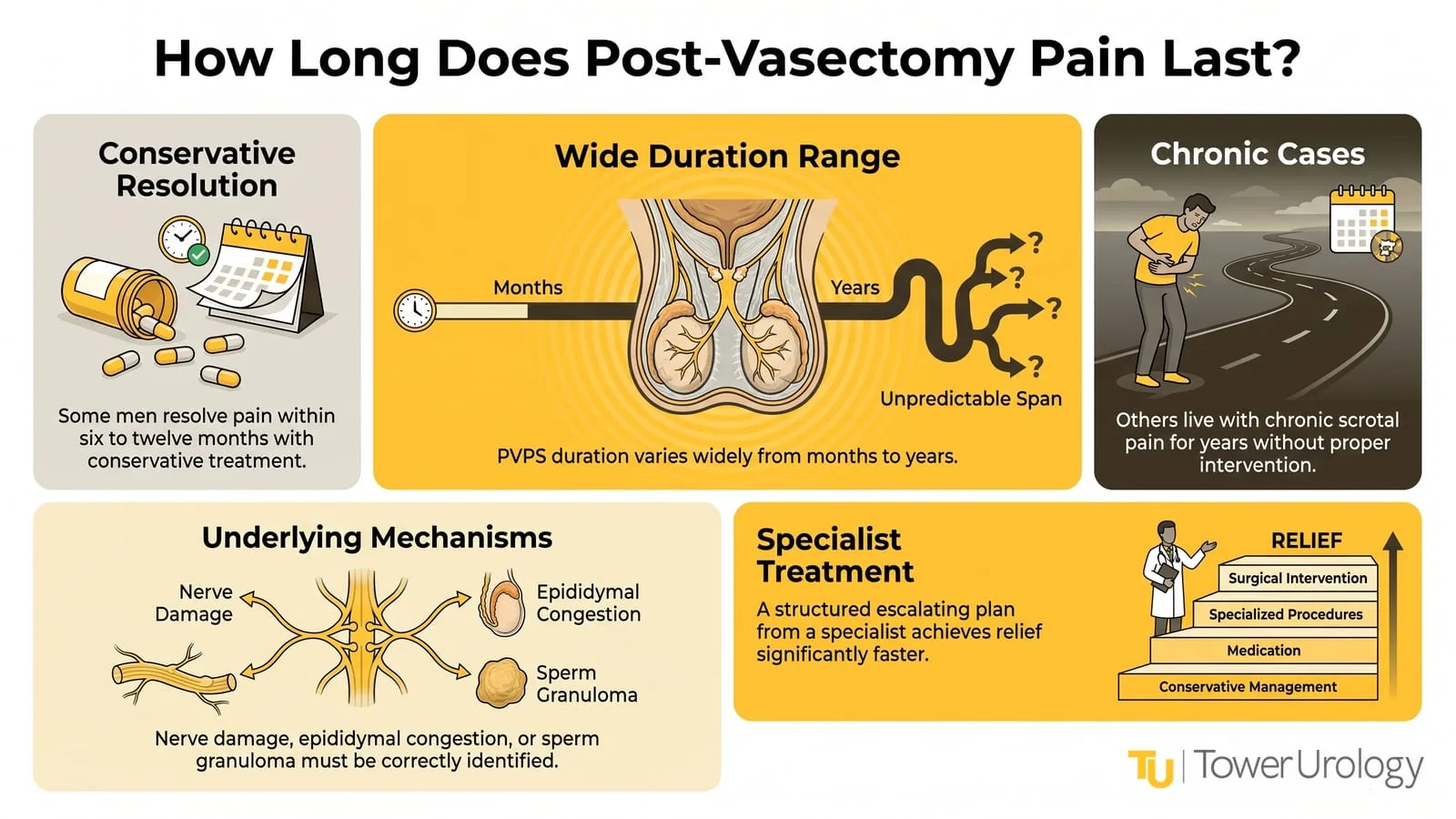
PVPS duration varies widely. Some men experience resolution within six to twelve months with conservative treatment. Others live with chronic scrotal pain for years without appropriate intervention. The key variable is whether the underlying mechanism – nerve damage, epididymal congestion, sperm granuloma, or a combination – is correctly identified and targeted. Men who receive a structured, escalating treatment plan from a specialist tend to achieve relief significantly faster than those who are simply told to take ibuprofen and wait.
Recognizing the Symptoms: What PVPS Pain Actually Feels Like
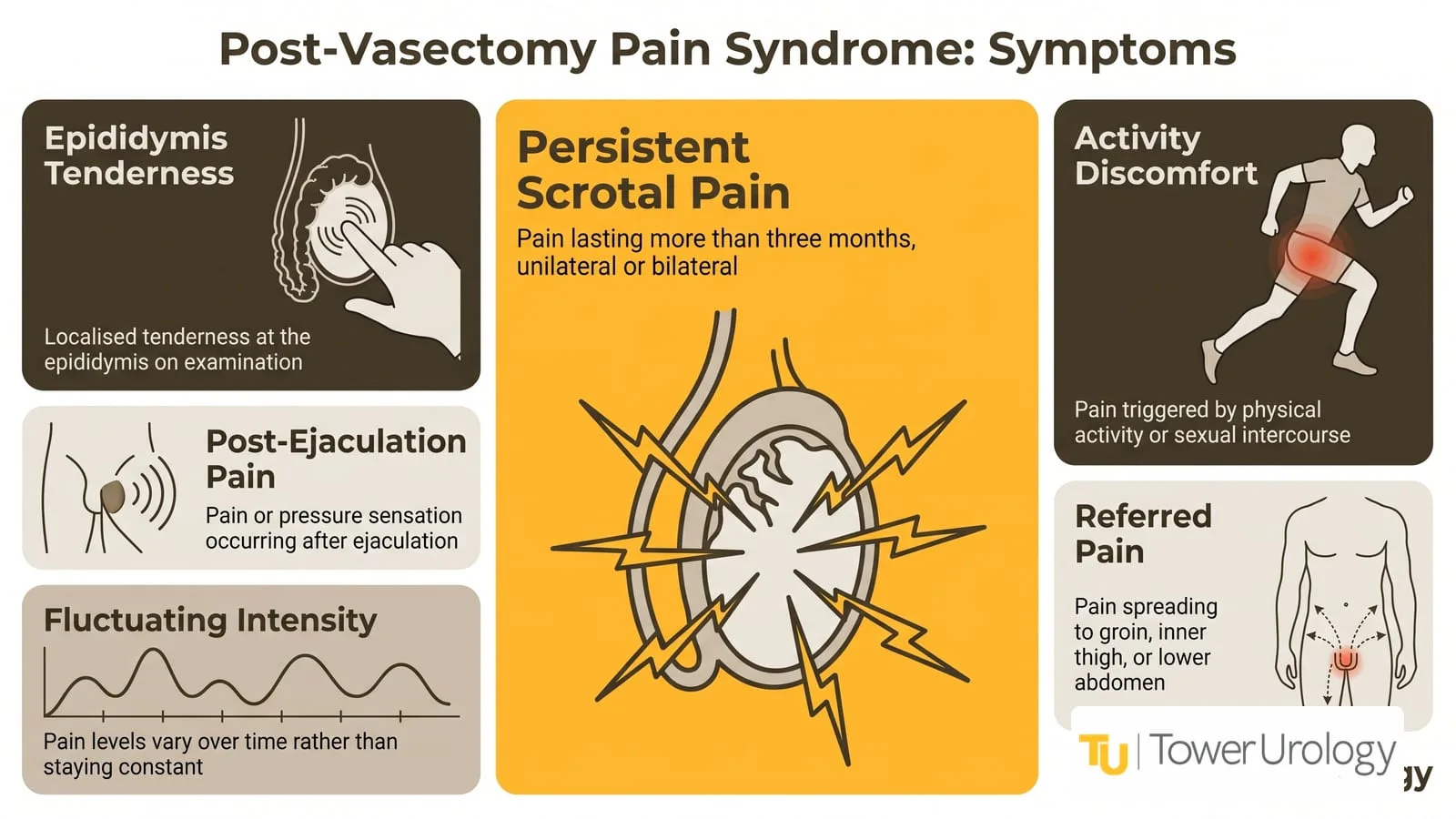
PVPS doesn’t present the same way in every man, which helps explain why it’s underdiagnosed. The most common symptom is a dull ache or pressure in one or both testicles, often described as similar to the feeling after a blow to the groin – except it doesn’t go away. Some men describe it as a heaviness or fullness in the scrotum rather than sharp pain.
Other recognized symptoms include:
Pressure or pain after ejaculation, sometimes lasting hours
Tenderness at the vasectomy site itself
Swelling or tenderness of the epididymis, the C-shaped tube behind each testicle where sperm mature
Pain during or after sexual intercourse
Discomfort that worsens with prolonged sitting, physical activity, or tight clothing
Pain with ejaculation is particularly distressing because it directly affects sexual intimacy and can create anxiety around sex that compounds the physical symptoms. We’ve seen this pattern repeatedly in our practice: men who delay seeking care because they’re embarrassed, only to find that effective treatment was available all along.
What are the symptoms of post-vasectomy pain syndrome?
The core symptoms are persistent scrotal or testicular pain lasting more than three months, tenderness at the epididymis, pain or pressure following ejaculation, and discomfort during physical activity or sex. Pain may be unilateral or bilateral and can fluctuate in intensity. Some men also develop referred pain into the groin, inner thigh, or lower abdomen, which can make the diagnosis less obvious without a thorough urological evaluation.
What Causes Post-Vasectomy Pain Syndrome? The Mechanisms Behind Chronic Scrotal Pain
The honest answer is that PVPS is not caused by a single mechanism – and that’s precisely why treatment must be individualized. Several distinct pathways can produce chronic scrotal pain after vasectomy, and identifying which one is driving a patient’s symptoms determines which treatment will work.
Epididymal congestion is one of the most commonly proposed mechanisms. After vasectomy, sperm continue to be produced but can no longer travel through the vas deferens. This backup creates pressure within the epididymis, which some men experience as chronic aching or fullness. The epididymis can become distended and tender to the touch.
Sperm granuloma is another recognized cause. When sperm leak from the cut end of the vas deferens, the immune system mounts an inflammatory response, forming a small nodule of granulation tissue. This granuloma can be painful and tender, and it may be palpable on examination.
Nerve damage or entrapment during the vasectomy procedure can produce neuropathic pain – a burning, shooting, or electric quality that is distinct from the dull ache of congestion. The ilioinguinal nerve and the genital branch of the genitofemoral nerve are the most commonly implicated structures. Neuropathic PVPS tends to respond poorly to anti-inflammatories and better to nerve-targeted interventions.
Scar tissue around the vas deferens or spermatic cord can also pull on or compress nearby nerves and structures, causing pain that worsens with movement or position changes.
What causes post-vasectomy pain syndrome?
PVPS is caused by one or more of the following: epididymal congestion from sperm backup, sperm granuloma formation at the vasectomy site, nerve damage or entrapment during the procedure, or scar tissue compressing nearby structures. Because these mechanisms produce different types of pain and respond to different treatments, an accurate diagnosis requires a physical examination and, in some cases, imaging or a diagnostic nerve block to isolate the source.
The PVPS Treatment Ladder: From Conservative Care to Surgical Solutions
No competitor page currently presents the full treatment escalation pathway in a way that helps patients understand what comes next if the first approach doesn’t work. Here is how a specialist approaches PVPS systematically, starting with the least invasive options and escalating only when necessary.
Step 1: Conservative medical management. The first line of treatment typically includes NSAIDs (non-steroidal anti-inflammatory drugs) such as ibuprofen or naproxen, scrotal support, activity modification, and heat or ice therapy. For men with a neuropathic component, low-dose tricyclic antidepressants or gabapentinoids may be added. This approach resolves symptoms in a meaningful proportion of men, particularly those with mild-to-moderate congestion-related pain.
Step 2: Physical therapy and pelvic floor rehabilitation. Pelvic floor dysfunction is an underappreciated contributor to chronic scrotal pain. A physical therapist trained in male pelvic floor rehabilitation can address muscle tension, trigger points, and postural contributors that perpetuate pain even after the primary cause has been treated.
Step 3: Spermatic cord nerve block. A diagnostic and therapeutic spermatic cord nerve block involves injecting a local anesthetic around the spermatic cord to temporarily interrupt pain signals. If the block provides significant relief, it confirms a nerve-mediated component and guides the next treatment decision. Repeated blocks can provide sustained relief in some patients.
Step 4: Surgical intervention. When conservative measures fail, surgery becomes the appropriate next step. The three main surgical options are:
Vasectomy reversal (vasovasostomy): Reconnecting the vas deferens relieves epididymal back-pressure and resolves PVPS in a significant proportion of men – even those who have no interest in restoring fertility. This is one of the most effective surgical treatments for congestion-driven PVPS.
Epididymectomy: Surgical removal of the epididymis is considered when the epididymis itself is the primary pain generator and vasectomy reversal is not appropriate or desired.
Microsurgical denervation of the spermatic cord: This highly specialized procedure selectively cuts the nerve fibers within the spermatic cord while preserving blood supply and the vas deferens. It is particularly effective for neuropathic PVPS and is performed by urologists with microsurgical training.
Consider the experience of Robert, a patient who had lived with constant urinary urgency and scrotal discomfort for years before finding the right specialist. After a thorough evaluation and an innovative, targeted treatment approach, he finally achieved the relief that had eluded him through years of generic management. His story reflects what we see regularly: the right diagnosis, matched to the right treatment, produces outcomes that patients had stopped believing were possible.
For men dealing with overlapping concerns around men’s sexual health and chronic pelvic pain, a specialist evaluation can address multiple dimensions of the problem simultaneously rather than treating each symptom in isolation.
When Vasectomy Reversal Is the Answer – Even If You Don’t Want Fertility Restored
This section surprises most men. Vasectomy reversal is almost universally discussed as a fertility procedure – a way to restore the ability to father children after a change of heart. But in the context of PVPS, vasectomy reversal serves a completely different purpose: it relieves the back-pressure of epididymal congestion by reopening the pathway for sperm to travel.
Published data consistently show that vasectomy reversal resolves or significantly reduces PVPS symptoms in 50 to 70 percent of appropriately selected patients. The key phrase is “appropriately selected” – men whose pain is primarily driven by epididymal congestion are the best candidates. Men with predominantly neuropathic pain may not benefit as much from reversal alone.
This is why the pre-operative conversation with a urologist matters so much. A specialist who understands both vasectomy and chronic testicular pain can help you understand which mechanism is most likely driving your symptoms and which surgical option gives you the best chance of lasting relief. At Tower Urology, our team evaluates each patient’s pain profile individually before recommending any surgical pathway.
Does vasectomy reversal help with post-vasectomy pain syndrome?
Yes, vasectomy reversal is one of the most effective surgical treatments for PVPS when epididymal congestion is the primary cause. Studies report symptom improvement in most appropriately selected patients, even when fertility restoration is not the goal. The procedure works by relieving the pressure buildup in the epididymis that occurs when sperm have nowhere to go after vasectomy. A urologist experienced in both vasectomy reversal and chronic scrotal pain evaluation is best positioned to determine whether you are a good candidate.
How PVPS Affects Sexual Health, Intimacy, and Quality of Life
The clinical literature on PVPS focuses heavily on pain mechanisms and treatment algorithms. What it often underplays is the profound effect that chronic scrotal pain has on a man’s sexual health, his relationship, and his mental well-being. Pain with ejaculation doesn’t just hurt – it creates anticipatory anxiety that can suppress libido, cause avoidance of intimacy, and strain partnerships in ways that are difficult to articulate to a doctor.
Men with PVPS frequently report reduced sexual frequency, difficulty achieving or maintaining erections due to pain-related anxiety, and a sense of loss around a part of their identity they took for granted. These are not secondary concerns. They are central to why PVPS deserves the same clinical attention as any other chronic pain condition.
We’ve worked with men who came to us primarily for erectile dysfunction or low libido, only to discover that unresolved PVPS was a significant contributing factor. Treating the underlying scrotal pain often produced improvements in sexual function that no medication alone could have achieved. If you’re experiencing overlapping concerns, our comprehensive urological care for men at Tower Urology addresses the full picture, not just the presenting complaint.
Can post-vasectomy pain syndrome be cured?
For many men, yes – PVPS can be resolved completely with the right treatment. The probability of cure depends on correctly identifying the underlying mechanism. Men with sperm granuloma or epididymal congestion as the primary driver often achieve complete resolution through targeted surgical treatment. Men with neuropathic pain may achieve significant reduction rather than complete elimination, though microsurgical denervation has produced full resolution in carefully selected patients. The critical factor is not accepting “there’s nothing we can do” as an answer – because in most cases, there is.
When should you see a Urologist – and what to look for in a post-vasectomy pain specialist?
If your pain has persisted beyond six weeks post-vasectomy and is not clearly improving, it’s time to see a urologist – not your general practitioner, and not the surgeon who performed the vasectomy if they don’t specialize in chronic scrotal pain. PVPS requires a urologist who is comfortable with the full treatment spectrum, including nerve blocks, microsurgical denervation, and vasectomy reversal performed specifically for pain relief.
Here are the questions we recommend asking any urologist you’re considering for PVPS evaluation:
How many PVPS patients do you evaluate and treat each year?
Do you perform spermatic cord nerve blocks in your office?
Are you trained in microsurgical denervation of the spermatic cord?
Do you perform vasectomy reversals for pain relief, not just fertility restoration?
How do you differentiate neuropathic PVPS from congestion-driven PVPS?
What is your approach if the first treatment doesn’t work?
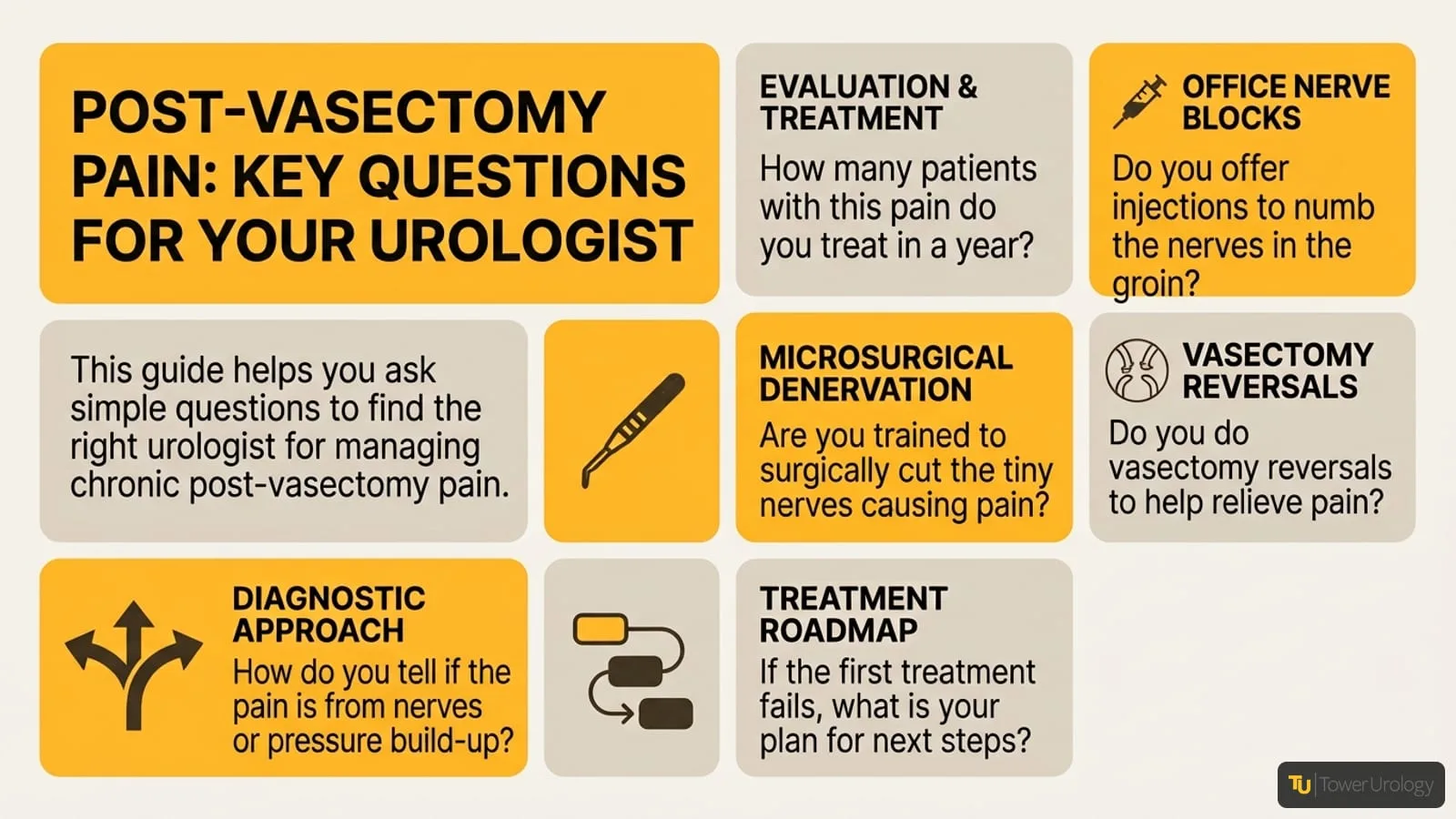
A urologist who can answer these questions confidently – and who takes the time to explain the reasoning behind each step – is the kind of specialist who will actually move the needle on your pain.
Take the experience of Lev, an electrical contractor who came to Tower Urology facing a serious urological condition. After a minimally invasive robotic procedure with Dr. Josephson, he was back managing his team within three weeks. That kind of outcome is possible when the right expertise meets the right problem. The same principle holds for PVPS: precision evaluation leads to targeted treatment, and targeted treatment leads to real recovery.
If you’re in Southern California and ready to stop waiting for the pain to resolve on its own, we encourage you to reach out to the team at Tower Urology. Our urologists bring unparalleled expertise in chronic testicular pain, chronic pelvic pain, and the full range of surgical and nonsurgical PVPS treatments – so you can get back to living without pain defining your day.
Frequently Asked Questions about Post Vasectomy Pain Syndrome

Estimates vary depending on how PVPS is defined. Using the strict clinical definition of pain persisting more than three months and severe enough to seek treatment, approximately 1 to 2 percent of vasectomy patients develop PVPS. However, broader surveys suggest up to 15 percent of men experience some degree of persistent scrotal discomfort after vasectomy. The condition is likely underreported because many men normalize the pain or assume it is untreatable, which is why pre-procedure counseling about PVPS risk is so important.
Treatment options span a full spectrum from conservative to surgical. First-line approaches include NSAIDs, scrotal support, and activity modification. If those fail, pelvic floor physical therapy and spermatic cord nerve blocks are next. For men who don’t respond to conservative care, surgical options include vasectomy reversal (particularly effective for congestion-driven pain), epididymectomy, and microsurgical denervation of the spermatic cord. The right treatment depends on correctly identifying the underlying mechanism, which is why evaluation by a specialist in chronic scrotal pain is essential rather than relying on generic pain management.
Have questions about post-vasectomy pain? Talk to Tower Urology
Tower Urology’s board-certified urology team, with specialists trained in all aspects of men’s health, has led in this field for over two decades.
With access to state-of-the-art scrotal ultrasound technology and diagnostic nerve block techniques at Tower Urology, we ensure an accurate diagnosis of the cause of chronic testicular pain before recommending treatment.
Our team specializes in treating nerve entrapment, idiopathic pain, and post-surgical complications that many general providers may not be equipped to manage. Whether through physical therapy, medications, or surgical interventions, our goal is to provide long-lasting relief from pain and discomfort while preserving testicular function and quality of life.
Another advantage of Tower Urology is our unwavering commitment to world-class urologic care through advanced technology, personalized treatment plans, and a patient-centered approach. With a reputation for excellence and innovation, we deliver superior outcomes that distinguish us as leaders in urologic health.
We invite you to experience Tower Urology’s personalized care and expertise.