Patty’s journey to Dr. Rusnack came through recommendations from multiple healthcare providers and friends. “I’m very grateful to everyone who referred her to me,” Patty says. “Dr. Rusnack is great in every aspect and highly surpassed my expectations.”
Not long after being referred to Dr. Rusnack, Patty found herself in the emergency room. “I ended up in emergency at Cedars-Sinai Medical Center for a kidney stone,” Patty recalls. “Dr. Rusnack was called in to remove the stone since she was my urologist.”
However, the procedure became complicated. “She couldn’t remove it right away because I also had an infection,” Patty explains. Dr. Rusnack immediately treated the infection, a necessary step before any procedure could be safely performed. But Patty’s ordeal didn’t end there.
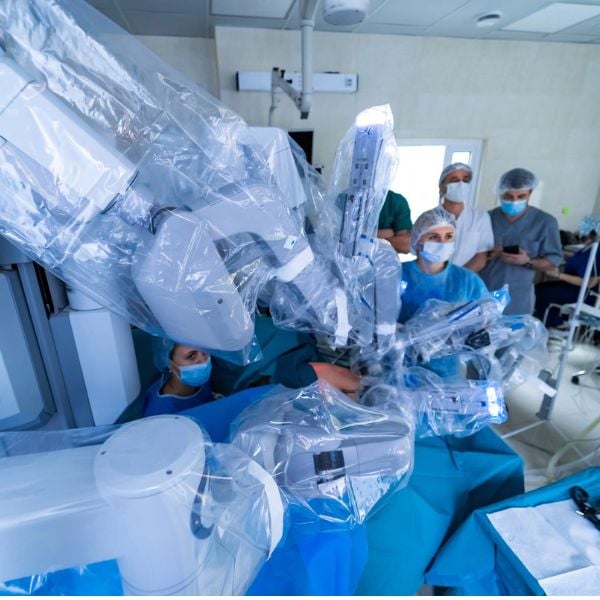
“Cedars was busy, and it was very hard to get a surgery date,” Patty says. She was in a lot of pain, but the medical center was fully booked. However, what happened next demonstrated Dr. Rusnack’s determination to advocate for her patients. “Dr. Rusnack went above and beyond. She recognized the pain I was in, and she just made things happen, even when Cedars said they had no surgical slots, she got me in.”
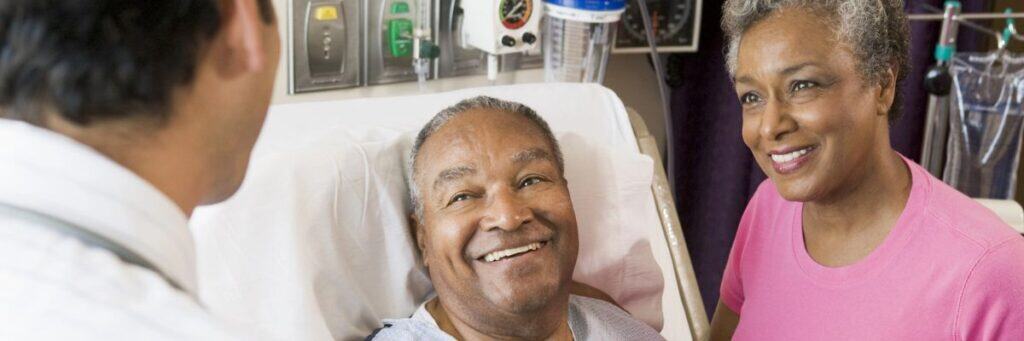
Patty was extremely grateful for the relief surgery provided, but what makes Dr. Rusnack stand out goes beyond her technical skills in urology and surgery. “Not only is she a good doctor with excellent medical knowledge and surgical experience, but she’s just so caring and helpful,” she emphasizes.
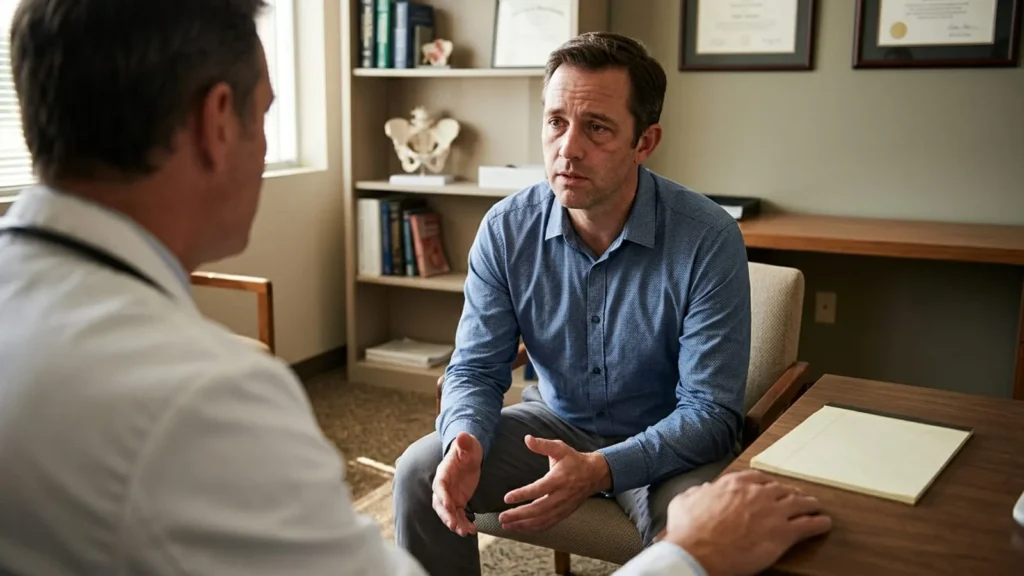
Patty is candid about her approach to healthcare and her disposition as a patient, but, far from being dismissive, Dr. Rusnack welcomes her thoroughness. “I know I’m a very high-maintenance patient,” she openly admits, “but Dr. Rusnack is always so patient with me.
“I always arrive with a printed list of questions, and she patiently addresses all my concerns and explains everything I need to know,” Patty continues. “She treats me with empathy, understanding, and care, as well as sharing the benefit of her excellent medical expertise.”
What are kidney stones?
Kidney stones are hard mineral and salt deposits that form in the kidneys when substances in the urine become concentrated. There are several types, including calcium oxalate, uric acid, struvite, and cystine stones. Treatment depends on the stone’s size and location. For example, small stones may pass naturally, while larger stones may require minimally invasive procedures such as ureteroscopy, shockwave lithotripsy, or percutaneous nephrolithotomy. Learn more about kidney stones.
Getting to the root cause of kidney stones
Dr. Rusnack’s approach goes beyond treating the immediate problem. She’s committed to understanding the cause of the condition and working to prevent a recurrence.
In Patty’s case, the question was why the kidney stones formed in the first place. “Just recently, she had me do a series of major tests to find out the cause of the kidney stone,” Patty explains. “She’s very thorough.”
This comprehensive evaluation included blood tests and a 24-hour urine analysis, both of which can reveal underlying metabolic issues contributing to stone formation. These tests can help identify problems such as parathyroid issues, kidney disease, or other health conditions that increase the risk of stone formation.
“It turns out I just need to drink more water,” Patty shares. While adequate hydration may seem simple, identifying it through thorough testing allowed Patty to focus on this intervention rather than resorting to unnecessary medications. “She wanted to know the specific cause so that we could eliminate it from happening again,” Patty explains. “I’ve remedied that,” she notes. This proactive approach is crucial for patients with recurrent stones, potentially saving them from repeated procedures, CT scans, x-rays, and the need for pain medication or a kidney drain.
Tower Urology’s exceptional and compassionate staff
Patty’s appreciation extends to Dr. Rusnack’s staff as well. “I would call with questions, and the staff would quickly and efficiently pass them on to her,” Patty explains. “And she always got back to me right away,” Patty adds, highlighting the accessibility that patients highly value.
Patty offers another example of how the culture of compassion extends throughout the entire practice. She shares a touching example of her experience during her post-surgery follow-up visits. “When I went in to return my 24-hour urine sample, I brought it in a very cute bag to disguise the contents. But I ended up leaving the bag there in the exam room. As I was leaving the building, one of the staff came running down after me and said, ‘You left this behind, but it’s too cute to leave!’ They’re just very kind and thoughtful.”
A lasting relationship with Dr. Rusnack, built on trust
The ultimate proof of Patty’s satisfaction with Dr. Rusnack is her commitment to their doctor-patient relationship. “I will continue to see her as my urologist forever. I’ll never go anywhere else,” she declares. “I’ve already made my next appointment!
“When you have a big problem like this, and you have surgery and pain, you want someone who will listen, reassure you, and explain everything you need to know,” Patty reflects. “Dr. Rusnack is just fabulous at all of those things.”
What makes Tower Urology one of the best in Los Angeles?
Patty’s experience highlights several factors that make Tower Urology exceptional. “It’s so hard to find a medical professional who is not only an excellent doctor but also has a good bedside manner,” Patty reflects. “That combination is hard to find these days, and Dr. Rusnack excels at both.”
Additionally, she notes that her appointments are always scheduled in a timely manner, adding, “The entire staff is friendly and helpful. From the nurses to the administrative team, a culture of compassion defines the practice.
“I’m confident that I’m getting the best medical care,” Patty says, a statement that reflects the trust Dr. Rusnack has built through consistent communication and expertise. Furthermore, Tower Urology’s affiliation with Cedars-Sinai Medical Center means patients have access to world-class facilities and resources when needed.
For Patty, word of mouth from her friends and other providers led her to a doctor who would become not just her urologist, but a trusted partner in managing her urinary system concerns. Her experience with Dr. Rusnack at Tower Urology represents everything patients hope for — exceptional medical expertise, genuine compassion, and a determination to find lasting solutions.
Why choose Tower Urology for your urinary care?
Beyond treating existing stones, Tower’s urologists are committed to identifying root causes, whether related to diet, hydration, metabolic issues, or other health conditions. By understanding the cause through comprehensive follow-up testing, patients can make targeted lifestyle changes that reduce the risk of recurrence and improve their quality of life.
Tower Urology is a proud affiliate of Cedars-Sinai Medical Center, ranked #1 in California and #2 nationwide by U.S. News & World Report. This partnership reflects our dedication to delivering the highest standard of urologic care alongside the best urologists in Los Angeles. Our years of experience and access to Cedars-Sinai’s world-class facilities ensure that our exceptional and innovative urological care positions Tower Urology as a leader in Southern California.
Tower Urology is conveniently located for patients throughout Southern California, including Los Angeles, Beverly Hills, Santa Monica, West Los Angeles, West Hollywood, Culver City, Hollywood, Venice, Marina del Rey, Burbank, Glendale, and Downtown Los Angeles.
Our services include care for bladder pain syndrome, urinary incontinence, urinary tract infections (UTIs), and other health concerns.
FAQs about kidney stones

Most patients return home the same day after minimally invasive procedures and can resume normal activities within a few days to a week. However, you may need pain medication and a temporary ureteral stent to maintain urine flow.
A ureteral stent is a small tube placed temporarily between the kidney and bladder to ensure proper urine flow while the ureter heals and prevents blockage caused by swelling or remaining stone fragments.
Your healthcare provider will likely order blood tests to check for conditions like hyperparathyroidism or kidney disease, a 24-hour urine analysis to measure calcium oxalate and uric acid levels, and imaging such as CT scans or x-rays to evaluate your urinary tract.
Yes, certain types like struvite stones are closely associated with UTIs, and having a kidney stone can increase your risk of developing UTIs because stones can harbor bacteria and obstruct urine flow.
Sources
Kidney Stones: Treatment and Prevention
https://pubmed.ncbi.nlm.nih.gov/30990297/
Kidney Stones
https://jamanetwork.com/journals/jama/fullarticle/2795889
Pharmacologic treatment of kidney stones: Current medication and pH monitoring
https://pubmed.ncbi.nlm.nih.gov/38043680/
Risk of renal stone events in primary hyperparathy roidism before and after parathyroid surgery: controlled retrospective follow up study https://pmc.ncbi.nlm.nih.gov/articles/PMC128947/