What is robotic prostatectomy?
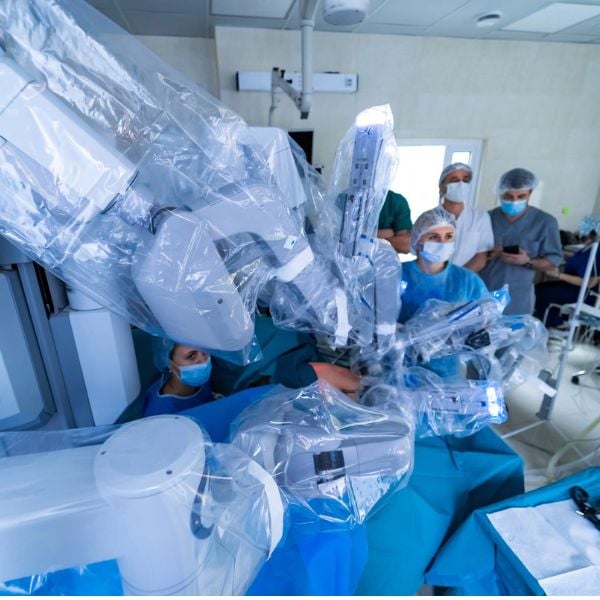
Robotic prostatectomy is an advanced surgical technique for prostate removal. It is used to remove the prostate gland in men with prostate cancer.
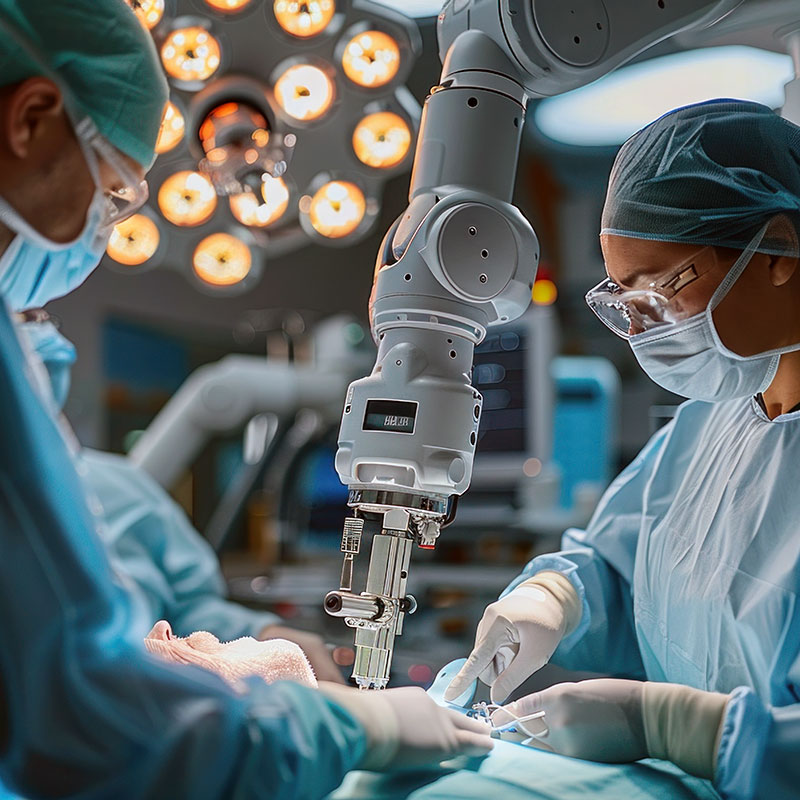
This type of prostate cancer surgery is a minimally invasive procedure. It uses a robotic system to help surgeons operate with greater precision and control.
Your doctor or the healthcare literature may refer to this procedure via an acronym:
Robotic prostatectomy (RARP)
Robotic-assisted laparoscopic radical prostatectomy (RALP)
Why is this procedure performed?
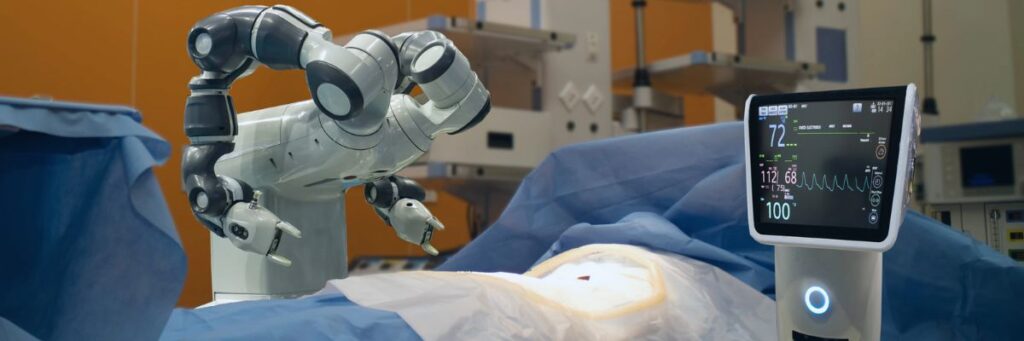
Most prostate surgery is performed robotically nowadays. Robot technology has advanced many times. The most recent version offers significant improvements in vision. It also enables a more precise, careful, and delicate approach to surgery. This method also causes minimal discomfort. Lastly, patients recover much faster than with an open approach.
You may hear this robotic-assisted surgery referred to as the “Da Vinci robotic system” or simply “Da Vinci surgical system.” This is the brand name of one of the tool options.
What are the benefits of robotic prostatectomy?
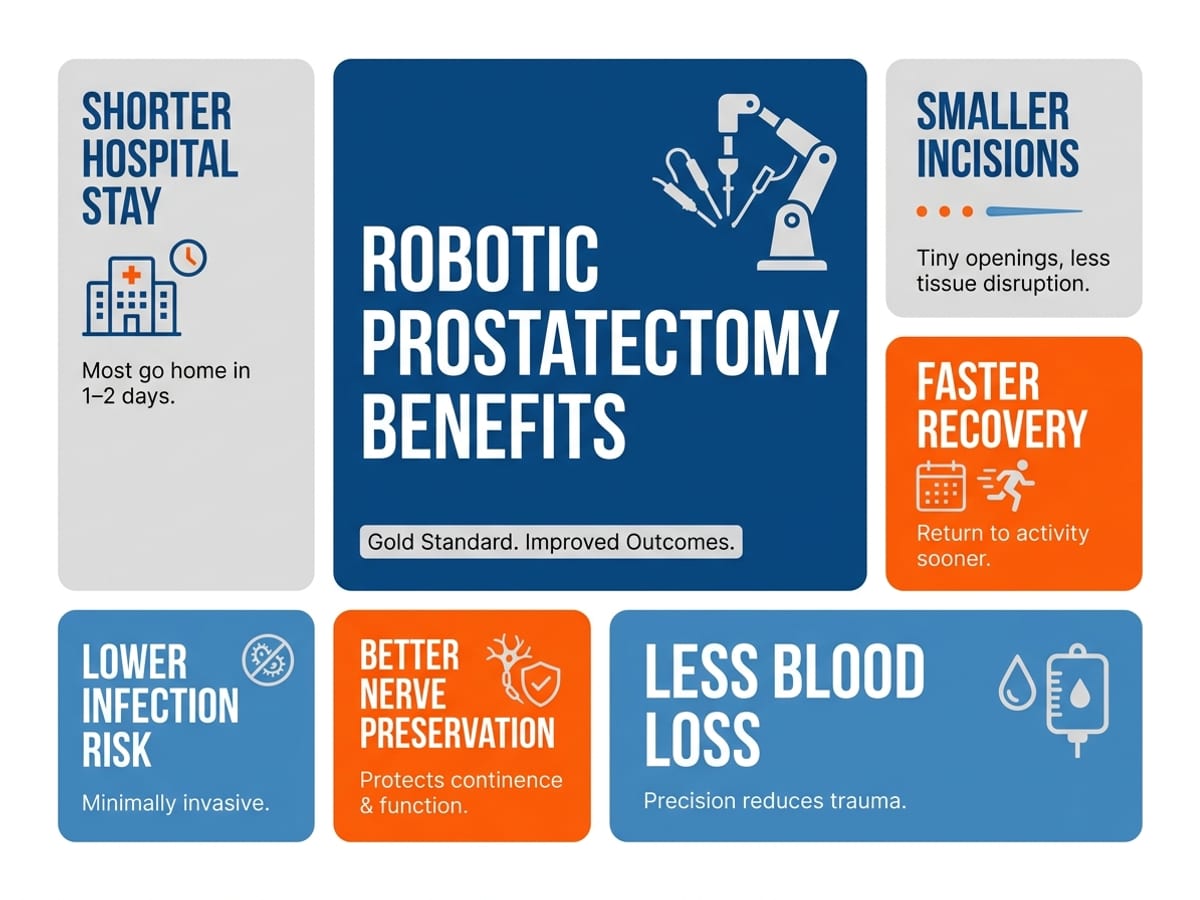
Now that you understand why robotic prostatectomy is performed, it’s worth taking a closer look at what makes this approach so compelling compared to traditional open surgery. The short answer: patients consistently experience vastly improved outcomes, and the advantages go well beyond a smaller scar.
Here are some of the most meaningful benefits robotic prostatectomy offers:
Significantly less blood loss. The robotic system’s precision lets surgeons operate with greater accuracy, reducing trauma to surrounding tissue and minimizing intraoperative bleeding. This also lowers the likelihood of needing a blood transfusion.
Smaller incisions. Rather than a single large abdominal opening, robotic prostatectomy uses several tiny incisions – typically less than an inch each – which means less tissue disruption overall.
Shorter hospital stay. Most patients go home within one to two days of surgery, compared to several days following open surgery.
Faster recovery times. Patients typically return to light daily activities within a few weeks, restoring their quality of life sooner than after a traditional procedure.
Reduced pain and discomfort. Smaller incisions naturally translate to less postoperative pain and a reduced need for pain medication during recovery.
Better nerve preservation. The magnified, high-definition 3D view the robotic system provides helps surgeons carefully protect the delicate nerve bundles responsible for urinary continence and sexual function – a critical consideration for long-term quality of life.
Lower risk of infection. Minimally invasive techniques reduce exposure and wound size, which contributes to fewer postoperative complications.
These benefits are why robotic prostatectomy has become the gold standard for surgical prostate cancer treatment. To learn more about the steps involved in a robotic prostatectomy, our team is here to walk you through every detail with compassionate, personalized care.
What is the difference between a single-port and multi-port robotic prostatectomy?
First, let’s define “port.” In this case, “port” means “incision” or a surgical cut. The port is how the surgical instruments enter your body to do their work. Surgeons can choose between one port (single-port) or several ports (multi-port).
Multi-port is the standard robotic approach that has been used for almost 20 years. It uses 5-7 very small incisions (most tiny incisions are 1/3 of an inch or less).
A single-port operation requires one 1.5″ incision. This is an excellent option for patients who have had major or a lot of abdominal surgery in the past. It’s a good option because it allows your surgeon access without requiring an incision in the abdominal cavity.
Who is the ideal candidate for a robotic prostatectomy?
The ideal candidate for RARP robotic prostatectomy is a man who:
Has a life expectancy of at least ten years.
Is typically under 70-80 years old.
Has not had previous pelvic radiation therapy.
Is of a normal weight (BMI under 30).
Has not had extensive prior abdominal surgery.
And does not have advanced cancer (avoiding Gleason scores of 8-10 or T3-T4 stage disease).
How is a robotic prostatectomy performed?
You will be given general anesthesia. Once you are sedated (“asleep”), your abdominal cavity is filled with gas. The gas expands your abdomen to create a working space. Either one or several small incisions (ports) will be made to allow the robotic arms to work through. The surgeon will sit at a console in the room to control the robot.
Your prostate is between your bladder and the urethra in your penis. During this procedure, your prostate will be carefully removed. We will take extra care to protect the nerves that help you achieve erections. Your bladder will then be reconnected to your urethra.
What is the success rate of a robotic prostatectomy?

A robotic prostatectomy is an extremely effective surgery. Most men will still have no evidence of disease five to ten years after surgery. One key consideration is that this surgery is significantly harder to perform and less successful after radiation therapy.
When it comes to cancer control, the numbers are reassuring. Studies show that roughly 80-90% of men with localized prostate cancer achieve undetectable PSA levels – a strong indicator of cancer-free status – following robotic prostatectomy. For low- and intermediate-risk disease, 10-year biochemical recurrence-free survival rates consistently range from 85% to 95% in high-volume centers. Even for higher-risk, locally advanced cases, robotic surgery combined with adjuvant therapy delivers vastly improved outcomes compared to watchful waiting alone.
Compared to traditional open surgery, robotic prostatectomy offers measurably better results across several key metrics. Patients undergoing robotic surgery experience significantly less blood loss – often requiring no transfusion at all – along with shorter hospital stays (typically one to two days versus three to five for open surgery) and faster recovery times overall. The robotic platform’s precision also helps surgeons better preserve the delicate nerve bundles responsible for erectile function and urinary control, directly improving quality-of-life outcomes after surgery.
Success rates are closely tied to surgeon experience and case volume. At Tower Urology, our fellowship-trained urologists bring decades of combined robotic surgical expertise and are among the first in California to adopt the latest robotic technologies – factors that translate directly into better outcomes for our patients. If you’ve previously undergone radiation therapy, our team will discuss your full range of options, including minimally invasive alternatives, to determine the safest and most effective path forward for you.
What are the risk factors of a robotic prostatectomy?
An RARP radical prostatectomy has risks like all surgeries. The primary risks include those associated with anesthesia, bleeding, and infection. Because your bladder must be reconnected, there is a risk that the connection will leak. A lymph node dissection also carries the risk of leakage from the remaining lymph channels.
Beyond these foundational risks, there are several other specific complications your surgeon will discuss with you before your procedure:
Rectal injury: Because the prostate sits directly in front of the rectum, there is a small but real risk of injury to the rectal wall during dissection. This is uncommon in experienced hands, but it is important to understand the possibility.
Urethral stricture: Scar tissue can occasionally form
where the bladder reconnectsto the urethra, narrowing the urinary channel and causing difficulty urinating. This may require a minor follow-up procedure to correct.
Deep vein thrombosis (DVT): As with any surgery requiring general anesthesia and a period of reduced mobility, there is a risk of blood clots forming in the legs. Your care team will take proactive steps – such as compression devices and early mobilization – to minimize this risk.
Conversion to open surgery: In rare circumstances, if unexpected complications arise during the robotic procedure, your surgeon may need to convert to a traditional open approach to ensure your safety. This is uncommon, particularly with a fellowship-trained, high-volume surgical team.
It is worth noting that robotic prostatectomy is associated with significantly lower rates of many of these complications compared to open surgery – including reduced blood loss and a lower transfusion rate – which is one of the key reasons it has become the preferred approach at Tower Urology. Our nationally recognized team brings unparalleled expertise and decades of combined experience to every procedure, translating directly into the best possible outcomes for our patients.
What are the side effects of a robotic prostatectomy?
While the previous section covered surgical risks like bleeding and infection, side effects are a separate conversation – and one worth having openly. Side effects are expected changes that can occur as your body adjusts after prostate removal, and understanding them upfront helps you prepare both physically and emotionally.
Urinary incontinence is one of the most common side effects following robotic prostatectomy. Because the prostate sits close to the bladder and the muscles that control urination, some leakage is normal in the weeks after surgery. The good news is that most men see significant improvement over time, especially with consistent pelvic floor exercises. If you’re dealing with longer-term leakage, our team can walk you through effective treatment options for post-prostatectomy incontinence.
Erectile dysfunction (ED) is another side effect many men experience after robotic prostatectomy. The nerves responsible for erections run directly alongside the prostate, and even with nerve-sparing techniques, some temporary or permanent changes in sexual function can occur. Recovery varies widely depending on age, baseline sexual health, and how much nerve tissue could be preserved during surgery.
Dry orgasm – also called climacturia – is also common after prostate removal. Because the prostate and seminal vesicles are removed, semen is no longer produced, meaning orgasms occur without ejaculation. This doesn’t affect sensation for most men, but it does mean natural conception is no longer possible.
In rare cases, lymphedema – swelling in the legs or groin – can develop if lymph nodes are removed during surgery. Our team provides personalized care and close follow-up to help manage any side effects and protect your long-term quality of life.
What is recovery from a robotic prostatectomy like?
Recovery time is usually short. Most patients stay one night in the hospital, although you can sometimes go home the day of surgery. We always advise our patients to expect some pain, similar to the discomfort experienced after a period of inactivity, such as after doing a lot of sit-ups.
But the pain should not be much worse than that. Patients typically recover very well and are often surprised by how well they feel after surgery, surpassing their initial expectations.
You will go home with a urinary catheter in place, which is typically removed at your follow-up appointment around 7 to 10 days after surgery. Some mild leakage after catheter removal is completely normal – this is where pelvic floor exercises become essential. We encourage patients to begin Kegel exercises before surgery and to continue them consistently afterward, as strengthening those muscles is one of the most effective ways to regain urinary control faster.
Return to normal activities is generally 2 to 3 weeks. Most patients with desk-based jobs feel ready to return to work within two to three weeks, while those with physically demanding roles may need four to six weeks before resuming full duties. Light walking is encouraged from day one – it promotes circulation and speeds healing – but strenuous exercise, heavy lifting, and sexual activity should be avoided for at least four to six weeks.
Sexual function recovery is a gradual process that varies from patient to patient. Nerve-sparing robotic prostatectomy preserves the delicate nerves responsible for erections, and our fellowship-trained surgeons prioritize this precision at every step. Many men begin to see improvement in erectile function within a few months, though full recovery can take anywhere from six months to two years. Our team will work closely with you throughout this journey, offering personalized care and proven treatments to support the best possible outcomes for your sexual health and overall quality of life.
Are there alternative procedures to consider for treating certain conditions?
Yes. Radiation is another treatment for prostate cancer. Some patients are not fit for surgery, and radiation is a particularly good option for these patients. However, this makes surgery much more complicated if any further indication exists.
There are also focal therapy options like HIFU and TULSA. These choices are something to consider in carefully selected patients with low to favorable intermediate-risk prostate cancer that is confined to just a part of the gland, and who do not want to monitor the tumor actively but prioritize their erections.
What sets Tower Urology apart from other practices when it comes to robotic prostatectomy surgery?
One critical factor in RARP success is the surgeon’s experience performing the procedure. Tower Urology has multiple fellowship-trained urologic oncologists and surgeons. These surgeons have decades of expertise in robotic prostatectomy and other technologies for treating PCA.
Radical prostatectomy will cure prostate cancer in most cases. Even though it is a minimally invasive surgery, it is still a major procedure, and there are risks. The main risk is erectile dysfunction. There is the possibility that your erectile function (ability to get an erection) will be worse than it was before surgery. Additionally, even with nerve-sparing surgery, urinary incontinence remains a risk.
However, a highly skilled surgeon can minimize these risks. Overall, our patients do extremely well after this surgery and are usually pleasantly surprised by the smooth recovery process. We hear that positive experience directly from the men we treat.
Richard, a Tower Urology patient who underwent robotic prostatectomy, described his recovery as far smoother than he had anticipated – he was back on his feet quickly and felt reassured throughout every step by his care team. Jacob shared a similar story, noting that his surgeon’s precision and clear communication made an overwhelming diagnosis feel manageable, and that his continence recovered faster than he expected. Lev, another patient, emphasized how the team’s compassionate, personalized approach gave him confidence going into surgery and peace of mind during recovery.
Recognized by Newsweek as among the nation’s top prostate surgeons, our urologists deliver trusted care backed by decades of experience and outstanding outcomes.
We take a personalized, evidence-based approach to general urology care at Tower Urology. All our professionals at Tower Urology are committed to giving you expert care. We take the time to understand you so that we can personalize your treatment plan to your specific needs.
When you choose Tower Urology, you are choosing a nationally recognized team whose entire focus is delivering the best possible outcomes, not just for your cancer, but for your quality of life long after surgery.
We invite you to establish care with Tower Urology.
Tower Urology is conveniently located for patients throughout Southern California and Los Angeles, including Beverly Hills, Santa Monica, West Los Angeles, West Hollywood, Culver City, Hollywood, Venice, Marina del Rey, Burbank, Glendale, and Downtown Los Angeles.
Our services include treatment options for benign prostatic hyperplasia (BPH), male infertility, chronic testicular pain, low testosterone, and prostatitis.
Robotic Prostatectomy FAQs

Urologists are the primary surgeons who perform prostatectomies. These specialized doctors have extensive training and experience in urological procedures, including various types of prostate surgeries. Some key points about surgeons performing prostatectomies include:
- Expertise: Urologists at major medical centers, such as Tower Urology at Cedars-Sinai Medical Center in Los Angeles, often have vast experience in all forms of prostatectomy, performing a high volume of procedures each year.
- Advanced techniques: Many urologists, including those who perform robotic prostatectomy at Tower Urology, are trained in minimally invasive techniques, including robot-assisted prostatectomy, which offers benefits such as faster recovery and lower risk of complications.
- Subspecialization: Some urologists specialize in oncology, focusing specifically on cancers of the urinary system, including prostate cancer. This also applies to the surgical urologists at Tower Urology in Los Angeles.
- Multidisciplinary approach: In Tower Urology, as in many cancer centers, urologic oncologists work as part of a team that includes other specialists to provide comprehensive prostate cancer care.
Robotic prostatectomy (RARP or RALP) demonstrates high success rates across multiple outcome measures.
When choosing a qualified robotic prostatectomy surgeon, several key factors should be considered to ensure the best possible outcomes:
Experience and Expertise
Look for surgeons with:
- Extensive experience performing robotic prostatectomies, ideally hundreds or thousands of cases.
- Fellowship training specifically in robotic surgery and urologic oncology.
- High surgical volume (over 100 RARP cases per year).
- Board certification in urology or oncology.
Surgical Outcomes
Evaluate the surgeon’s track record regarding:
- Cancer control rates and favorable surgical margin rates.
- Continence preservation success rates.
- Potency preservation, particularly with nerve-sparing techniques.
- Complication rates and patient satisfaction scores.
Technology and Facilities
The surgeon should:
- Have access to the latest robotic technology and equipment.
- Work at a facility with comprehensive support systems.
- Practice at a center that specializes in urologic procedures.
Tower Urology in Los Angeles
Tower Urology stands out as an excellent option for robotic prostatectomy in Los Angeles:
- Their physicians have completed extensive training in urologic surgery with additional specialization in specific areas of urologic science.
- They employ a team approach where physicians consult frequently and work cooperatively in patient care.
- Their surgeons are pioneers in robotic surgery with specialized fellowship training in open and minimally invasive techniques.
Notable Tower Urology surgeons include:
- Dr. David Josephson, who has performed over 1,100 robotic procedures and is recognized as a leader in nerve-sparing techniques to improve potency and continence outcomes after robotic prostatectomy.
- Dr. Premal Desai, who completed fellowship training at the Mayo Clinic and specializes in robot-assisted radical prostatectomy for prostate cancer.
Tower Urology offers advantages including smaller incisions, less pain, less blood loss, shorter hospital stays, quicker recovery, better visualization, shorter catheter time, quicker return to continence, and quicker return to normal sexual function compared to traditional open surgery.
Additionally, they offer advanced diagnostic capabilities like Targeted MRI/Ultrasound Fusion Biopsy, positioning them at the forefront of prostate care technology.
When consulting with potential surgeons, ask specific questions about their experience, outcomes, and approach to robotic prostatectomy to make an informed decision.
We believe patient experience speaks for itself. You can explore real stories and outcomes from men treated at our Los Angeles practice on our prostate patient testimonials page.
-
Robotic Prostatectomy: Procedure, Efficacy, and Recovery
https://www.healthline.com/health/prostate-cancer/robotic-prostatectomy -
Policy guidelines suggested for robot-assisted prostatectomy
https://pmc.ncbi.nlm.nih.gov/articles/PMC4247434/ -
Robotic radical prostatectomy: outcomes of 500 cases
https://pubmed.ncbi.nlm.nih.gov/17437441 -
Effects of robotic surgery experience on open radical prostatectomy outcomes
https://www.nature.com/articles/s41598-024-80141-7 -
Robotic Prostatectomy
https://pmc.ncbi.nlm.nih.gov/articles/PMC1480556/