What is chronic pelvic pain syndrome (CPPS)?
Chronic Pelvic Pain Syndrome (CPPS) is a complex and often debilitating condition that affects up to 25% of women. It is defined as persistent pain in the pelvic area lasting six months or more. This pain can range from mild to severe and may worsen with sexual intercourse, urination, bowel movements, or prolonged sitting. For many women, CPPS significantly impacts quality of life, sexual function, and emotional well-being.
At Tower Urology, we offer a comprehensive, multidisciplinary approach to managing chronic pelvic pain. Our expert team uses advanced diagnostics, personalized treatment strategies, and a strong focus on patient education to uncover the causes of chronic pelvic pain and provide long-term pain relief.

What causes chronic pelvic pain in females?
The etiology, or cause, of CPPS is complex and can involve multiple overlapping conditions. Identifying the exact causes of chronic pelvic pain usually requires a thorough evaluation. These causes include:
How do gynecological conditions cause chronic pelvic pain?
Gynecological conditions are often among the most common causes. Endometriosis, adenomyosis, uterine fibroids, ovarian cysts, and pelvic inflammatory disease (PID) can all cause chronic pain in the pelvic organs, including the uterus, fallopian tubes, ovaries, and surrounding structures. Infections such as chlamydia and gonorrhea may also lead to PID, resulting in lasting inflammation and discomfort.
Vulvodynia, a chronic pain, burning, or rawness of the vulva with no clear cause, can also contribute to ongoing pelvic pain and pain with intercourse.
What urological disorders can cause chronic pelvic pain?
Conditions like painful bladder syndrome (also called bladder pain syndrome) and recurrent urinary tract infections (UTIs) may cause urinary urgency, frequency, and chronic pelvic pain. Interstitial cystitis, a type of painful bladder syndrome, is particularly associated with CPPS and can cause significant discomfort.
A urethral diverticulum, a small pouch in the urethral wall that traps urine, is another often-overlooked urologic cause of pelvic pain, recurring infections, and pain with intercourse.
Can gastrointestinal issues cause chronic pelvic pain?
GI conditions such as irritable bowel syndrome (IBS), colitis, diverticulitis, or chronic constipation can lead to lower abdominal pain and pressure that radiates to the pelvis. In some cases, straining with a bowel movement may aggravate symptoms and cause a pelvic pain flare.
How do musculoskeletal issues contribute to chronic pelvic pain?
Musculoskeletal dysfunction is yet another common contributor. Tight or weakened pelvic floor muscles, myofascial trigger points, or structural issues like a hernia may cause pain in the lower back, hips, and genital region. Two specific examples are levator ani syndrome, a spasm of the main pelvic floor muscle that often feels like a deep ache or pressure in the pelvis, vagina, or rectum, and pudendal neuralgia, an irritation of the pudendal nerve that can cause burning or stabbing pain that worsens with sitting.
Women who have had pelvic surgery or given birth to a child are at higher risk for myofascial or nerve-related pain in the pelvic muscles.
Can mental health concerns affect chronic pelvic pain?
Mental health issues like anxiety, depression, and trauma can intensify pain perception.
The many possible causes of women’s chronic pelvic pain syndrome highlight the importance of receiving a comprehensive evaluation by a provider who can develop a well-rounded treatment plan.
When pelvic pain is a urology problem
Many women assume pelvic pain is a gynecologic issue, and often it is. But a significant share of chronic pelvic pain comes from the bladder, urethra, and pelvic floor muscles, which is where a urologist with specialized training in female pelvic medicine can help.
Consider seeing a urologist if your pelvic pain comes with any of the following:
- Pain or pressure that gets worse as your bladder fills and eases after urinating.
- Burning, urgency, or frequent urination without a confirmed infection.
- Repeated UTIs, or UTI-like symptoms when urine tests come back negative.
- Pain with intercourse along with urinary symptoms.
- A tender spot or bulge along the front wall of the vagina.
- Pelvic pain that hasn’t improved after gynecologic treatment.
A urologist can evaluate conditions such as interstitial cystitis, urethral diverticulum, pelvic floor dysfunction, and recurrent UTIs, using tests that look directly at how the bladder and urethra are working. Because pelvic pain often has more than one source, we also work closely with gynecologists, pelvic floor physical therapists, and pain specialists when needed.
Pelvic floor dysfunction and chronic pelvic pain
The pelvic floor is a group of muscles that supports the bladder, uterus, and bowel and helps control urination, bowel movements, and sexual function. In pelvic floor dysfunction, these muscles don’t relax and coordinate the way they should. In women with chronic pelvic pain, the problem is most often muscles that are too tight, a condition sometimes called hypertonic or non-relaxing pelvic floor dysfunction.
When the pelvic floor stays tense, it can cause:
- A deep ache or pressure in the pelvis, vagina, or rectum.
- Pain with intercourse, tampon use, or pelvic exams.
- Urinary urgency, frequency, or difficulty emptying the bladder.
- Constipation or pain with bowel movements.
- Pain in the lower back, hips, or tailbone.
Pelvic floor dysfunction can develop after childbirth, pelvic surgery, injury, or years of holding tension in the pelvis. It also often develops alongside other conditions, such as interstitial cystitis or endometriosis, as the muscles tighten in response to ongoing pain.
Is pelvic floor dysfunction serious? It isn’t life-threatening, but it can seriously affect your quality of life, and it rarely resolves on its own. The good news is that it is very treatable. Pelvic floor physical therapy, biofeedback, and targeted treatments for muscle spasm help most women feel significantly better.
What are the symptoms of chronic pelvic pain in women?
Women with CPPS often report a variety of symptoms, such as:
- Persistent or intermittent pain in the lower abdomen, pelvic area, or lower back
- Pain with intercourse (dyspareunia)
- Discomfort during urination and bowel movements
- Pain that is sharp, dull, or cramp-like and occurs in cycles or continuously
- Fatigue
- Trouble sleeping
- Mood changes
- Pain that worsens with physical activity
Inflammatory or hormonal conditions may cause menstrual cramps, while structural issues may lead to pressure in the pelvic organs, including the bladder and ovaries, resulting in different types of CPPS pain, depending on the cause.
How is female chronic pelvic pain diagnosed?
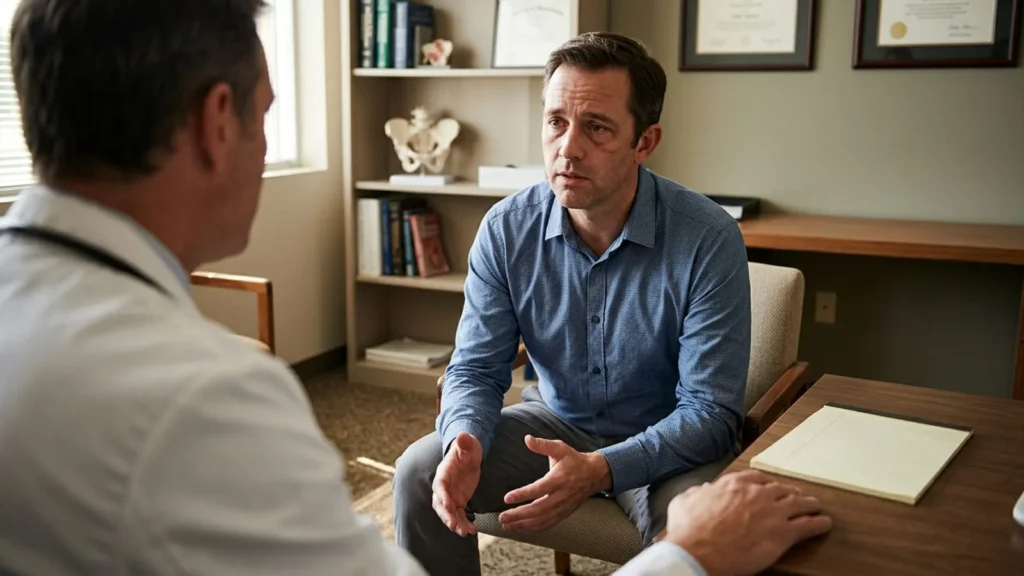
At Tower Urology, diagnosis begins with a thorough consultation and physical examination. We evaluate the pelvic floor muscles, bladder, uterus, ovaries, and surrounding areas. This assessment helps detect tenderness, tension, or abnormalities contributing to pain.
We also take a complete medical history, covering menstrual cycle patterns, past infections (such as chlamydia), surgeries, urinary and digestive issues, and sexual health. During your exam, your doctor will gently check your pelvic floor muscles for tightness or tenderness that may be contributing to your pain. Imaging studies, such as ultrasound or MRI, can help identify fibroids, cysts, adhesions, or other growths within the pelvic organs.
Because many causes of pelvic pain involve the bladder and urethra, we may also recommend urodynamic testing, which measures how well your bladder stores and releases urine, or cystoscopy, which uses a thin camera to look inside the bladder and urethra for signs of inflammation, interstitial cystitis, or other causes of pain. When a gynecologic cause such as endometriosis is suspected, laparoscopy, a minimally invasive surgical procedure, may be needed to confirm the diagnosis, and we coordinate with gynecology colleagues so you get a complete evaluation.
Urinalysis and cultures can rule out painful bladder syndrome or urinary tract infections (UTIs). For some patients, laparoscopy may be needed to examine the reproductive organs directly and identify hidden causes of chronic pelvic pain, like endometriosis.
When appropriate, we may also explore mental health contributors to chronic pain. This is a key part of our whole-person approach.
What are the treatment options for female chronic pelvic pain?
Managing CPPS requires a tailored plan targeting the primary causes and the symptoms.
Medications often include nonsteroidal anti-inflammatory drugs for short-term relief, hormonal treatments for gynecological causes, and possibly neuromodulators such as antidepressants or anticonvulsants for nerve-related pain. If an infection is detected, antibiotics may be prescribed.
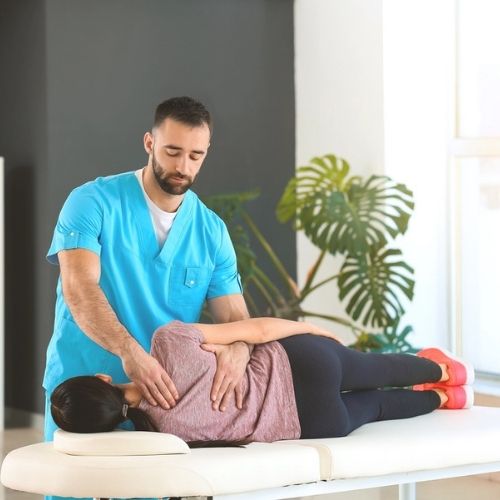
Pelvic floor physical therapy can also be important in treating myofascial and muscular causes of pelvic pain. Therapists use manual, guided, and relaxation techniques to address tight or overactive pelvic muscles. For patients experiencing stress-related symptoms, we may also recommend behavioral therapy, mindfulness, or biofeedback.
More advanced therapies include nerve stimulation (e.g., sacral or pudendal), trigger point injections, or procedures for painful bladder syndrome. Minimally invasive surgery may be necessary in cases of endometriosis, adhesions, or hernia.
Tower Urology’s innovative therapies: PRP and Shockwave Therapy
For women who haven’t found relief with standard treatments, Tower Urology also offers two regenerative options that may help in select cases.
Platelet-rich plasma (PRP) uses a concentrated portion of your own blood, which contains growth factors that support tissue healing. Injected into targeted areas, PRP may help some women with muscular or tissue-related pelvic pain.
Shockwave therapy uses low-intensity acoustic waves delivered to the pelvic area to improve blood flow and relax tight muscles. It is noninvasive and done in the office, with no downtime.
Research on PRP and shockwave therapy for pelvic pain in women is still growing, so these therapies are usually considered alongside proven treatments such as pelvic floor physical therapy rather than as a first step. Your urologist will discuss whether either option makes sense for your condition
Pelvic pain and sexual dysfunction
Pelvic Pain and Sexual Dysfunction
Chronic pelvic pain and sexual problems often go hand in hand. Pain with intercourse, called dyspareunia, is one of the most common reasons women seek help for pelvic pain, and it can affect desire, arousal, and the ability to orgasm.
Several pelvic pain conditions can make sex painful:
- Pelvic floor dysfunction, when tight muscles make penetration painful.
- Interstitial cystitis, which can flare during or after sex.
- Vulvodynia and other vulvar pain conditions.
- Urethral diverticulum, which can cause pain at the front wall of the vagina.
- Vaginal dryness and tissue changes related to menopause.
Over time, anticipating pain can cause the pelvic muscles to tighten even more, creating a cycle that makes symptoms worse. Treating the underlying cause, combined with pelvic floor therapy and, when helpful, sexual health counseling, can break that cycle.
At Tower Urology, women’s sexual health is part of pelvic pain care, not an afterthought. Dr. Kuhlmann and Dr. Rusnack create a comfortable space to talk openly about symptoms that are often hard to bring up.
Why choose Tower Urology for chronic pelvic pain?
Chronic pelvic pain is often misunderstood, and many women see several doctors before finding answers. Getting the right diagnosis depends on specialists who understand how the bladder, urethra, pelvic floor, and sexual health connect. At Tower Urology, women can see two female urologists with advanced training in pelvic health.
Dr. Paige Kuhlmann is a fellowship-trained urologist specializing in female pelvic medicine, reconstructive surgery, and sexual health. She completed her urology residency at Cedars-Sinai Medical Center, where she received the Leo G. Rigler Award for Academic Achievement, followed by a fellowship in urogynecology and reconstructive pelvic surgery at UT Southwestern Medical Center in Dallas. She is a member of the American Urological Association, the Society of Urodynamics, Female Pelvic Medicine and Urogenital Reconstruction (SUFU), and the International Society for the Study of Women’s Sexual Health (ISSWSH).
Dr. Susan Rusnack is a board-certified urologist with more than 20 years of experience in urogynecology, robotic pelvic floor reconstruction, voiding dysfunction, and sexual health. She served as Chief Resident at Columbia University-New York Presbyterian Hospital, completed a fellowship in laparoscopic and robotic urology at Mount Sinai in New York, and was a clinical professor in urogynecology at Columbia University’s Department of Obstetrics and Gynecology. She is also a member of ISSWSH.
Together, they treat the full range of conditions behind pelvic pain, including interstitial cystitis, pelvic floor dysfunction, recurrent UTIs, urethral diverticulum, and pain with intercourse. Most of all, they take the time to listen, look for the root cause of your pain, and build a treatment plan around your goals, coordinating with physical therapists and other specialists when that’s what it takes.
Chronic Pelvic Pain FAQs

You should reach out to a healthcare provider if you experience any of the following:
- Pelvic pain that lasts longer than six months
- Pain that interferes with daily life, work, or relationships
- Pain that worsens over time or doesn’t improve with rest or over-the-counter treatments
- Pain during or after sexual activity
- Painful urination, bowel movements, or discomfort in the rectum
- Signs of infection such as fever, chills, vaginal discharge, or burning sensation
You should seek immediate medical attention if you experience:
- Sharp or sudden pain in the pelvic or abdominal area
- Vaginal bleeding between periods or after menopause
- Unexplained weight loss
- Blood in your urine or stool
- Difficulty standing or walking due to severe pain
- A missed period and a risk of ectopic pregnancy (consider taking a pregnancy test)
Yes, some underlying conditions that cause chronic pelvic pain, such as endometriosis, pelvic inflammatory disease, or blocked fallopian tubes, may contribute to infertility. Early diagnosis and treatment are essential to protect reproductive health.
While medical intervention is essential for chronic pelvic pain management, lifestyle modifications can enhance outcomes and improve quality of life:
- Regular physical activity can improve circulation and reduce tension in the pelvic muscles
- A low-inflammatory diet may help minimize symptoms associated with gastrointestinal issues like IBS, colitis, or bloating
- Practicing stress management techniques such as meditation or yoga
- Working with a pelvic floor physical therapist to address muscular and myofascial sources of pain
- Using heat therapy to relieve menstrual cramps or ligament pain
Depending on the primary cause, various specialists may be involved for the management of chronic pelvic pain. These include urologists, gynecologists, gastroenterologists, pelvic floor therapists, and pain specialists. At Tower Urology, we take a multidisciplinary approach, collaborating across specialties to offer the most effective and personalized care.
Yes. Tower Urology’s Los Angeles office includes specialists in women’s pelvic pain, serving patients from Beverly Hills, Santa Monica, West Hollywood, Culver City, Hollywood, and surrounding communities in Los Angeles County. Appointments can be requested online or by phone.
Yes. Many cases of chronic pelvic pain in women involve the bladder, urethra, or pelvic floor muscles, which are areas urologists specialize in. A urologist with training in female pelvic medicine can diagnose and treat conditions such as interstitial cystitis, pelvic floor dysfunction, urethral diverticulum, and recurrent UTIs, and coordinate with gynecology when needed.
The best treatment depends on the cause. Pelvic floor physical therapy is one of the most effective treatments for pain related to the pelvic floor muscles. Other options include medications, trigger point injections, and treatment for underlying conditions such as interstitial cystitis or endometriosis. Most women do best with a combined approach tailored to their specific diagnosis.
-
Chronic Pelvic Pain in Women: ACOG Updates Recommendations. American Family Physician, 2021
https://www.aafp.org/pubs/afp/issues/2021/0201/p186.html -
About Pelvic Pain. Eunice Kennedy Shriver National Institute of Child Health and Human Development (NICHD)
https://nichd.nih.gov/health/topics/pelvicpain/conditioninfo -
Chronic Pelvic Pain: ACOG Practice Bulletin No. 218. Obstetrics & Gynecology, 2020