What is interstitial cystitis?
Interstitial cystitis (IC), also known as bladder pain syndrome and painful bladder syndrome, is a chronic condition that causes discomfort or pain in the bladder and pelvic region. It is often accompanied by a frequent and urgent need to urinate.
IC is a complex condition that can significantly impact daily life. While it’s more common in women, men can also be affected.

What causes interstitial cystitis?
The exact cause of IC isn’t fully understood. However, known causes include a defect in the bladder lining, an abnormal immune response, nerve dysfunction, Hunner or other types of bladder ulcers, or even a history of bladder and urinary tract infections.
How does the bladder work? Understanding IC
Before diving into what goes wrong with interstitial cystitis, it helps to understand how a healthy bladder is supposed to work. Think of your bladder as a flexible, muscular balloon. Its job is simple: store urine produced by your kidneys and then release it at a convenient time. As urine fills the bladder, its walls stretch, and specialized nerve endings send signals to your brain letting you know it’s time to find a restroom. A healthy bladder can comfortably hold between 10 and 16 ounces of urine, and most people urinate around six to eight times per day without much thought.
The inner lining of the bladder – called the urothelium – plays a critical protective role. It acts as a barrier, preventing the acidic, waste-filled urine from irritating the sensitive bladder wall beneath it. A thin layer of a substance called glycosaminoglycan (GAG) coats this lining, essentially acting as a protective shield.
With interstitial cystitis, researchers believe this protective lining becomes damaged or defective. When the GAG layer breaks down, urine can seep through and directly irritate the bladder wall, triggering chronic inflammation, pain, and that relentless urge to urinate. Some patients also experience mast cell activation in the bladder wall – essentially an allergic-type reaction – that further fuels inflammation. This is why interstitial cystitis can feel so persistent and unpredictable: the very organ designed to protect itself is no longer doing its job properly. Understanding this mechanism is the first step toward finding meaningful relief.
Who is at higher risk of interstitial cystitis?
Certain factors seem to increase the chance of suffering from this condition, including:
Being female
Having a history of chronic pain disorders (such as irritable bowel syndrome or fibromyalgia)
Having a family history of IC
Interstitial cystitis in men vs. women
Interstitial cystitis affects both men and women, but the experience – and the path to diagnosis – can look quite different depending on your sex. Understanding those differences matters, because getting the right diagnosis is the first step toward real relief.
Women make up the vast majority of IC cases, with estimates suggesting roughly 90% of diagnosed patients are female. In women, interstitial cystitis tends to present with the classic combination of pelvic pressure, urinary urgency and frequency, and pain that worsens around menstruation. Because these symptoms overlap with recurrent UTIs and other gynecological conditions, women are still frequently misdiagnosed before IC is identified as the true culprit.
In men, the picture is even more complicated. Men with interstitial cystitis are far more likely to be misdiagnosed – often for years – with chronic prostatitis or chronic pelvic pain syndrome. The symptoms can feel nearly identical: perineal discomfort, pain in the lower abdomen or groin, urinary urgency, and pain after ejaculation. Because prostatitis is a much more familiar diagnosis for urologists treating men, IC frequently flies under the radar. If you’re a man who has been treated repeatedly for prostatitis without meaningful improvement, it’s worth asking your urologist whether interstitial cystitis could be the underlying cause. Our blog on pudendal nerve irritation also explores related pelvic pain conditions that can complicate diagnosis.
At Tower Urology, our team evaluates both male and female patients with the same level of comprehensive, personalized care. We understand that IC doesn’t discriminate – and neither does our commitment to finding the right diagnosis and the best possible outcomes for every patient we see.
What are the symptoms of interstitial cystitis?
There are numerous common symptoms of IC, and they can look different from person to person. These include:
Persistent bladder or pelvic pain
A constant urge to urinate (urinary urgency)
Frequent urination (urinary frequency), often in small amounts
Bladder pain or pressure that worsens as the bladder fills and temporarily eases after urination – one of the most telling signs of IC
A burning sensation in the bladder or urethra
Waking multiple times during the night to urinate (nocturia), which can seriously disrupt sleep and daily functioning
These symptoms can vary in severity and may flare up when you are under greater stress than usual or after consuming certain foods or drinks.
It is also worth knowing that IC can present differently depending on your sex. In women, pelvic pain often intensifies around menstruation, and discomfort during or after sex is particularly common. In men, IC may cause pain in the scrotum, testicles, or perineum (the area between the scrotum and rectum), and it is sometimes mistaken for chronic prostatitis – which is one reason IC is so frequently misdiagnosed and can take years to identify correctly.
Symptoms tend to come and go in cycles of flares and remission. During a flare, the urgency and pain can be severe enough to interfere with work, social activities, and intimate relationships. If you are experiencing any combination of these symptoms on a recurring basis, it is important to seek a comprehensive evaluation from a specialist rather than assuming it is a routine urinary tract infection.
Complications of interstitial cystitis
When interstitial cystitis goes unmanaged or is misdiagnosed for months – sometimes years – the condition can ripple outward and affect far more than just your bladder. Understanding these complications is an important part of why getting an accurate diagnosis and personalized care plan matters so much.
One of the most common physical complications is reduced bladder capacity. Over time, chronic inflammation can cause the bladder wall to stiffen and lose its natural elasticity, meaning it holds less urine and triggers that urgent, frequent need to go even more intensely than before. Some people find themselves visiting the bathroom 40 or more times a day, which makes any kind of normal routine feel nearly impossible.
The impact on sleep is significant too. Waking multiple times each night to urinate leads to chronic sleep deprivation, which in turn affects mood, concentration, and overall physical health. It becomes a cycle that’s genuinely exhausting.
Interstitial cystitis also takes a real toll on emotional wellbeing. Anxiety, depression, and feelings of isolation are common among people living with IC – and completely understandable. When pain and urgency dictate where you can go and for how long, social activities, work performance, and relationships all suffer.
Speaking of relationships, sexual intimacy is frequently affected. Pelvic pain during or after sex can strain even the closest partnerships. If you’re experiencing pelvic pain that’s affecting your intimate life, you deserve compassionate, expert support – not silence or embarrassment.
The good news is that with the right treatment approach, many of these complications are manageable. Early intervention truly makes a difference.
How do we diagnose interstitial cystitis?
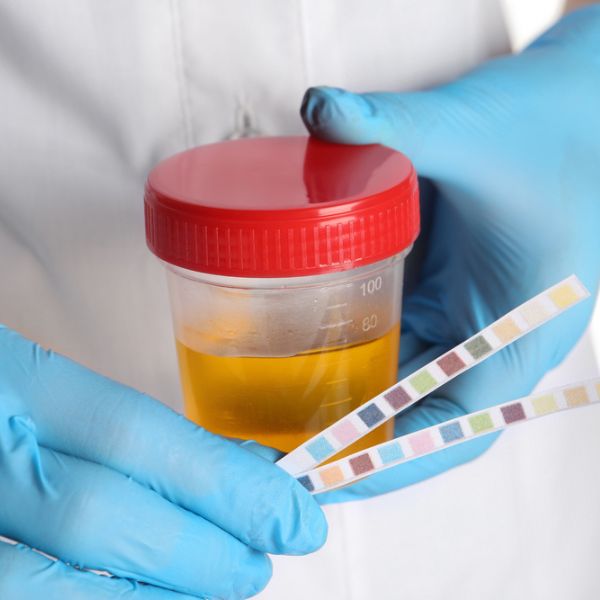
Diagnosing IC can be challenging because there’s no single definitive test. Instead, we rule out other conditions by building a complete picture of your health through several carefully chosen steps. Because interstitial cystitis shares symptoms with urinary tract infections, overactive bladder, and other pelvic conditions, a thorough, methodical workup is essential to reach the right diagnosis and get you on the path to relief.
Our diagnostic process typically includes:
Complete medical history: We review your symptoms in detail – including pain patterns, urinary frequency, and any known triggers – to understand how IC is affecting your daily life.
Physical examination: A focused pelvic exam helps us identify tenderness, muscle tension, or other physical signs consistent with IC.
Urinalysis and urine culture: These tests check for infection, blood, or other abnormalities in the urine. A negative culture is actually an important clue – it helps us rule out a bacterial UTI and points us toward IC as the underlying cause.
Bladder diary: We may ask you to track your fluid intake, urination frequency, and pain levels over several days to identify patterns and severity.
Potassium sensitivity test: This office-based test involves instilling a mild potassium solution into the bladder. Patients with IC typically experience increased discomfort, suggesting a compromised bladder lining – a hallmark of the condition.
Cystoscopy: A thin, lighted scope is gently passed into the bladder so our specialists can directly visualize the bladder wall, looking for Hunner’s ulcers or the characteristic pinpoint bleeding known as glomerulations.
Bladder distension (hydrodistension): Performed under anesthesia, this procedure gently stretches the bladder with fluid. It can both reveal diagnostic findings and provide temporary symptom relief for some patients.
Bladder biopsy: In select cases, a small tissue sample is taken during cystoscopy to rule out bladder cancer or confirm inflammatory changes consistent with IC.
Our team approaches every diagnosis with unparalleled expertise and compassionate care, making sure no stone is left unturned before we recommend a personalized treatment plan. The goal is always the same: an accurate diagnosis that leads to the best possible outcomes for your quality of life.
Treatment for interstitial cystitis
While there’s no cure for IC, many ways exist to manage your symptoms and improve your quality of life. We always create a personalized treatment plan for each patient. We’ll work together to find the approach that works best for you, helping you feel better.
There are numerous treatment options available. They include:
Lifestyle changes
Small but consistent lifestyle adjustments can make a meaningful difference in managing interstitial cystitis symptoms and reducing the frequency of painful flares. While they won’t replace medical treatment, they work hand-in-hand with your care plan to protect your quality of life.
Avoid bladder irritants. Certain foods and drinks are well-known IC triggers. Caffeine, alcohol, carbonated beverages, acidic foods like citrus and tomatoes, spicy foods, and artificial sweeteners can all irritate the bladder lining and worsen symptoms. Because triggers vary from person to person, many specialists recommend keeping a food and symptom diary for a few weeks. This helps you identify your personal culprits so you can eliminate them strategically rather than cutting out everything at once.
Manage your fluid intake. It may seem logical to drink less to reduce bathroom trips, but restricting fluids actually concentrates urine, which can intensify bladder irritation. Aim to sip water steadily throughout the day rather than drinking large amounts at once. Staying well-hydrated with plain water is one of the simplest ways to keep urine dilute and less irritating to a sensitive bladder.
Practice bladder training. Bladder training involves gradually extending the time between bathroom visits to help retrain an overactive or hypersensitive bladder. Starting with small intervals and slowly increasing them over weeks can reduce urgency and frequency. Your urologist can guide you through a structured schedule that fits your current symptoms.
Incorporate stress management. Stress is one of the most commonly reported IC flare triggers. Techniques such as diaphragmatic breathing, mindfulness meditation, gentle yoga, and progressive muscle relaxation can calm the nervous system and reduce pelvic tension. Even short daily sessions have been shown to lower the intensity of flares over time.
Consider quitting smoking. Smoking introduces chemical irritants into the urine that come into direct contact with the bladder wall. If you smoke, quitting is one of the most impactful steps you can take – not only for your bladder health but for your overall wellbeing.
Wear comfortable clothing. Tight waistbands and restrictive clothing can put pressure on the pelvis and aggravate symptoms. Loose, breathable fabrics are a simple comfort measure that many patients find genuinely helpful during flares.
Lifestyle changes rarely eliminate interstitial cystitis on their own, but they are a foundational part of any comprehensive treatment plan. Our team at Tower Urology will work with you to identify your specific triggers and build personalized strategies that fit your daily routine – because managing IC well means caring for the whole person, not just the bladder.
Medications
Medication management is one of the most important pillars of interstitial cystitis treatment, and the right combination can make a meaningful difference in your day-to-day comfort and quality of life. Because IC affects every patient differently, our team takes a personalized care approach – carefully selecting and adjusting medications based on your specific symptom pattern and response over time.
Pentosan Polysulfate Sodium (Elmiron) is the only FDA-approved oral medication specifically indicated for interstitial cystitis. It works by helping to restore and reinforce the protective lining of the bladder wall, reducing the irritation that drives IC pain and urgency. Results are gradual – most patients notice improvement after three to six months of consistent use – but for many, it provides meaningful long-term relief.
Antihistamines, such as hydroxyzine, are particularly useful when an allergic or mast-cell pathway is contributing to your symptoms. Mast cells in the bladder wall can release histamine in response to triggers, worsening inflammation and pain. Antihistamines help calm this response, and many patients also find they improve sleep – a welcome benefit given how disruptive nighttime urgency can be.
Tricyclic antidepressants, such as amitriptyline, are prescribed at low doses to help reduce bladder pain and calm nerve sensitivity. They also have a mild sedative effect that can ease the sleep disruption many IC patients experience.
NSAIDs and other pain relievers can help manage acute flares by reducing inflammation and providing short-term comfort, though they are typically used as part of a broader treatment plan rather than as a standalone solution.
Intravesical (bladder instillation) therapies deliver medication directly into the bladder through a small catheter, allowing higher concentrations of therapeutic agents to reach the bladder lining without significant systemic side effects. Common instillation solutions include dimethyl sulfoxide (DMSO), heparin, lidocaine, and sodium bicarbonate – often combined into a compounded “cocktail.” These treatments can provide faster, more targeted relief, especially during persistent flare periods, and are a core part of our state-of-the-art, comprehensive IC management protocols at Tower Urology.
No single medication works for every patient, which is why our nationally recognized team continually monitors your progress and refines your plan to achieve the best possible outcomes.
Physical therapy
Working with physical therapists on exercises that focus on the pelvic floor can also be very helpful for managing interstitial cystitis. Unlike general fitness routines, pelvic floor physical therapy for IC is highly specialized – and in many cases, it’s one of the most effective non-invasive tools available.
Many people with interstitial cystitis develop pelvic floor dysfunction over time, where the muscles surrounding the bladder become chronically tight or go into spasm as a response to ongoing pain. A skilled pelvic floor physical therapist will assess this tension and use a combination of techniques to release it. Myofascial release is one of the most commonly used approaches – this involves applying gentle, sustained pressure to the connective tissue around the pelvis to relieve tightness and improve blood flow to the area. Patients often notice a meaningful reduction in urgency and pelvic discomfort after just a few sessions.
Your therapist may also guide you through down-training exercises – techniques designed to consciously relax and lengthen the pelvic floor muscles rather than strengthen them. This is an important distinction, because Kegel exercises, which focus on tightening the pelvic floor, can actually worsen symptoms in IC patients whose muscles are already overactive.
A typical course of pelvic floor physical therapy runs between six and twelve weekly sessions, though this varies depending on the severity of your symptoms. Many patients also receive guidance on posture, breathing techniques, and at-home stretches to support their progress between appointments. The goal is to break the cycle of pain and muscle guarding that keeps IC symptoms flaring – and to give you practical tools that support your quality of life long after treatment ends.
Nerve stimulation techniques
Nerve stimulation techniques include sacral neuromodulation (SNM). In this therapy, a small device is implanted that sends mild electrical pulses to the nerves near the sacrum (lower back). The pulses help control bladder, bowel, and pelvic floor functions.
The device works like a pacemaker for the bladder and bowel, helping to restore regular communication between the brain and the pelvic organs. This improves symptoms of bladder or bowel control problems.
Surgery
Urinary diversion or bladder augmentation surgeries may be considered for our patients with the most severe symptoms.
IC-friendly diet: foods to avoid and foods that help
One of the most empowering things you can do between appointments is pay close attention to what you eat and drink. Diet won’t cure interstitial cystitis, but the right choices can meaningfully reduce flare frequency and intensity – and the wrong ones can send you straight to the bathroom in pain.
The bladder lining in IC patients is already hypersensitive, so acidic, spicy, or chemically complex foods can act like sandpaper against an open wound. The most commonly reported dietary triggers include:
Acidic foods and drinks: coffee, tea, alcohol, citrus fruits, tomatoes, and carbonated beverages
Spicy foods: hot peppers, chili, and heavily seasoned dishes
Artificial sweeteners: particularly saccharin and aspartame, found in many diet products
Aged or fermented foods: aged cheeses, soy sauce, vinegar, and pickled items
Chocolate and cranberry juice: both are surprisingly common culprits despite cranberry’s reputation for urinary health
On the other side of the equation, many patients find relief by leaning into bladder-friendly options. Plain water, low-acid fruits like blueberries and pears, non-citrus vegetables, and mild proteins such as chicken and fish tend to be well tolerated. Some people also find that calcium glycerophosphate supplements help neutralize acidic foods when taken before a meal.
Because triggers vary from person to person, keeping a food and symptom diary is one of the most practical tools you have. Our team at Tower Urology can help you interpret those patterns and build a personalized care plan that supports your overall health and quality of life.
What should you expect during your initial consultation with Tower Urology?
When you come in, you can expect the healthcare providers at Tower Urology to take a detailed history, including what your symptoms are, what other medical conditions you have, which treatments you’ve tried so far, and what your dietary habits are like.
We will then perform a physical exam to assess any pelvic floor dysfunction as a possible contributing factor, and also perform a cystoscopy. In a cystoscopy, a small flexible camera is inserted into your bladder to look for ulcers that may be causing you pain.
What is the Tower Urology treatment plan?
We tailor the treatment plan to your specific needs, based on the findings from your workup. For example:
If you have pelvic floor dysfunction
We will discuss pelvic floor physical therapy or injections into the painful muscles to help relieve the spasms that cause pain
If you have painful bladder ulcers
We will encourage them to facilitate their healing. In this procedure, we use a high-frequency electric current to destroy the ulcer. Then, we will administer an effective medication called cyclosporine to help prevent the ulcers from reforming.
If we don’t find pelvic floor dysfunction, ulcers, or another apparent cause for your pain
Then, we will work together to develop a treatment plan to manage your symptoms. This plan could include hydrodistension, bladder instillations with medications, oral medications, and dietary modifications.
In the most severe cases
We may recommend removing the bladder, although this is something we always strive to avoid.
Why Tower Urology is your best choice in Los Angeles for interstitial cystitis doctors near you
Controlling IC/BPS symptoms can be a process, so it’s important to establish care with a provider who will continue to work with you to find the solution that is right for you individually. Fortunately, the urologists at Tower Urology are experts in treating this condition and are always willing to help.
The main advantage of Tower Urology lies in our unwavering commitment to providing world-class urologic care through advanced technology, personalized treatment plans, and a patient-centered approach. With a reputation for excellence and innovation, we deliver superior outcomes that distinguish us as leaders in urologic health.
Tower Urology is a proud affiliate of Cedars-Sinai Medical Center, ranked #1 in California and #2 nationwide by U.S. News & World Report. This partnership reflects our dedication to delivering the highest standard of urologic care alongside the best urologists in Los Angeles. Our years of experience and access to Cedars-Sinai’s world-class facilities ensure that our exceptional and innovative urological care positions Tower Urology as a leader in Southern California.
We invite you to establish care with Tower Urology.
Tower Urology is conveniently located for patients throughout Southern California and the Los Angeles area, including Beverly Hills, Santa Monica, West Los Angeles, West Hollywood, Culver City, Hollywood, Venice, Marina del Rey, and Downtown Los Angeles.
Our services include treatment for pelvic organ prolapse, menopause/hormone management, chronic pelvic pain syndrome in women, shockwave therapy for pelvic pain, interstitial cystitis, lichen sclerosis and planus, urethral diverticulum, urethral stricture disease, urinary fistulas, and vaginal mesh complications.
Interstitial cystitis FAQs

Primary care physicians typically evaluate cystitis first, after which patients may be referred to specialists, including urologists, urogynecologists, or nephrologists.
Patients may be referred to specialized centers with multidisciplinary teams, such as Tower Urology, for interstitial cystitis or complex bladder issues. These teams include urologists, surgeons, physical therapists, and lab technicians.
Absolutely. Pelvic floor dysfunction can mimic interstitial cystitis (IC) symptoms, as tight pelvic floor muscles can put pressure on the bladder, causing spasms that lead to urgency, frequency, and pain.
Research shows that 87% of women with IC have pelvic floor dysfunction with levator muscle pain, suggesting a strong connection between these conditions. The symptoms can be so similar that what appears to be IC might be pelvic floor issues, and many patients receive IC diagnoses without proper bladder scoping to confirm the presence of characteristic lesions.
Treatment often involves a multimodal approach, including pelvic floor physical therapy, muscle lengthening techniques, and lifestyle modifications, regardless of whether the root cause is IC or pelvic floor dysfunction.
Sacral neuromodulation (SNM) is generally safe but comes with potential risks and complications that patients should consider. The therapy has been proven effective for over 20 years, with success rates showing symptom reduction in 67% of patients even after five years.
Interstitial cystitis (IC) and urinary tract infections (UTIs) share symptoms like urgency, frequency, and pelvic discomfort, but they’re different conditions. A UTI is a bacterial infection that usually clears with antibiotics. IC is a chronic condition with no infection behind it, so urine cultures typically come back negative and antibiotics don’t help. If bladder pain continues after a negative culture or a course of antibiotics, see a urologist to be evaluated for IC.
There’s no cure for interstitial cystitis, but many patients find meaningful relief with the right treatment plan. Options include lifestyle changes, medications, pelvic floor physical therapy, and bladder instillations. For some patients, procedures such as sacral neuromodulation or treatment of Hunner lesions (bladder ulcers) may help. Tower Urology’s urologists build individualized plans and adjust them as symptoms change, with the goal of fewer flares, less pain, and a better quality of life.