Leading Urologists & Advanced Urological Care in Los Angeles
Nationally recognized experts in urological care,
proudly serving Southern California for over 50 years.
Counter
Nationally Recognized Leaders in Advanced Urological Care
Our state-of-the-art technology and innovative treatments complement a truly unique team-based approach to patient care.
Over the past 20 years, we’ve perfected the collaborative care model, establishing a benchmark for urology groups worldwide.
We deliver unparalleled expertise and compassionate care, ensuring the best possible outcomes.
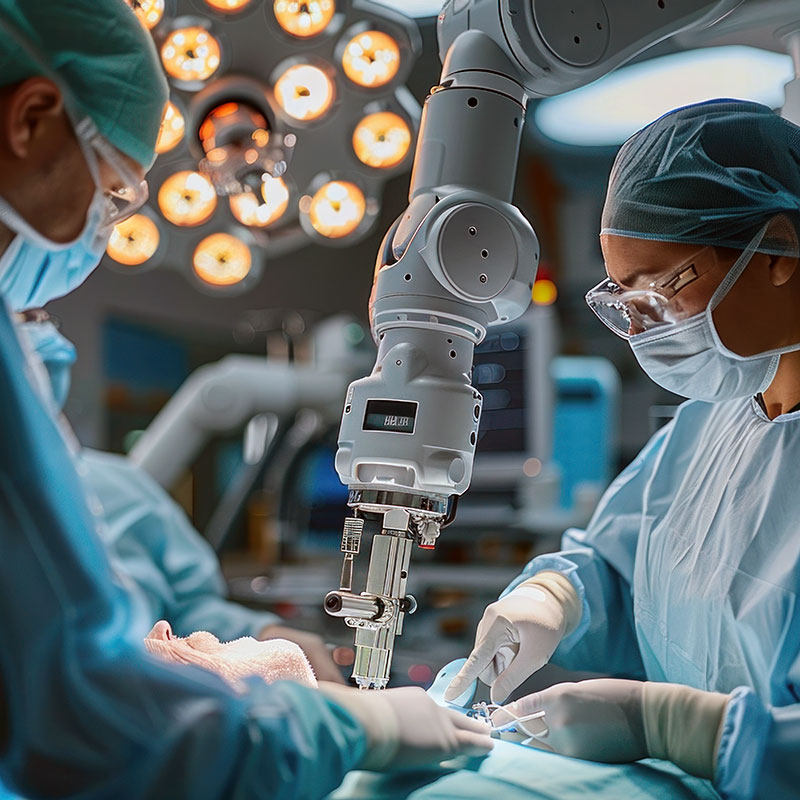
We’re the Robotic Surgery Experts
We proudly offer robotic surgical care, the cutting edge in minimally invasive surgery. Tower Urology is among the first in California to utilize the latest robotic surgical technologies.
Our surgeons achieve unparalleled precision, resulting in faster recovery times, reduced pain, and vastly improved outcomes.
We’re setting a new standard for prostate treatment.

A Safe Space to Address Your Sexual Health
Tower Urology specializes in compassionately and expertly addressing the sensitive and complex aspects of men’s and women’s sexual health.
Utilizing the latest medical breakthroughs, we’re committed to helping you restore confidence, improve intimacy, and enhance your quality of life.
We’re here to provide the personalized care you deserve.

The Most Comprehensive Prostate Care in California
Whether routine screenings or advanced care, our nationally recognized urologists are dedicated to supporting your prostate health and improving your quality of life.
With state-of-the-art diagnostics and minimally invasive surgical expertise, we ensure the highest standard of care, always tailored to our patients’ unique needs.
Transformed Lives: Patients Share Their Personal Stories

Despite Being in Healthcare, Emy Was Too Afraid of Surgery Until Dr. Kuhlmann Answered Every Question With Patience
Terrified nurse practitioner Emy overcomes surgical fears and finds complete relief through Dr. Kuhlmann's exceptional skill, endless patience, and compassionate care for anxious patients.

Achieving the Trifecta: Jacob’s Early Detection and Dr. Bui’s Expertise Deliver Life-Changing Prostate Cancer Outcomes
Early detection and Dr. Bui's expert surgery gave Jacob the perfect trifecta: cancer cure, complete continence, and restored sexual function.

How Mohamad’s Proactive Approach Led to Lifesaving Early Cancer Detection with Dr. Desai
A routine checkup prompted by family history revealed hidden aggressive prostate cancer. Dr. Desai's expertise delivered a lifesaving cure.

From Emergency to Expertise: How Richard Found Life-Saving Care with Dr. Rusnack
A frightening emergency led Richard through two robotic surgeries. Dr. Rusnack's exceptional skill and reassuring care brought complete recovery and cancer victory.

After Suffering in Silence for Years, Annie Traveled from Paris to Find Complete Relief from Urinary Incontinence with Dr. Kuhlmann
Dr. Kuhlmann's compassionate treatment freed 85-year-old Annie from years of embarrassing urinary incontinence, restoring her active lifestyle.

From Embarrassment to Confidence: How Chelsea Solved Her Postpartum Incontinence with Dr. Rusnack
After years of workout leaks and packing extra pants to the gym, one quick office procedure gave this mother immediate relief and lasting confidence.

How Robotic Prostate Surgery and Dr. Josephson Helped Him Beat Cancer and Return to Work
Electrical contractor Lev conquered cancer with Dr. Josephson's minimally invasive approach. Three weeks post surgery, he was managing his team again, completely cancer free.

From Bodybuilder to Baby Daddy: How Dr. Justin Houman Helped Louis Overcome Steroid-Induced Infertility
When testosterone use destroyed his fertility, Louis feared fatherhood was impossible. Dr. Houman gave him a second chance at creating the family he wanted.
Dr. Josephson’s Prostate Artery Embolization Restores Robert’s Quality of Life
Constant bathroom urgency robbed Robert of restful nights and carefree travel until he discovered an innovative treatment that ended years of frustration.

Every Bathroom Visit Was a Problem for Barbara Until Dr. Kuhlmann Gave Her Quality of Life Back
After years of managing bladder issues, Barbara discovered an unexpected problem linking urination to bowel movements. Expert surgical repair restored her comfort and confidence completely.
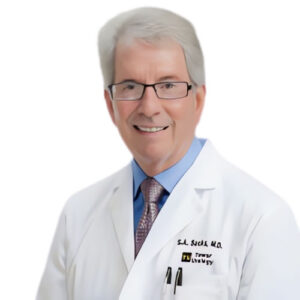
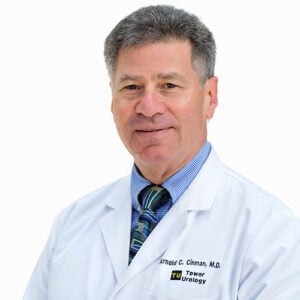
Meet the Tower Urologists

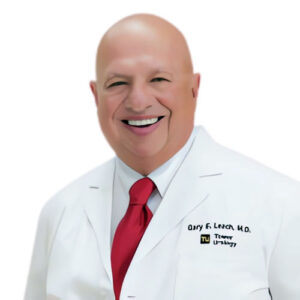
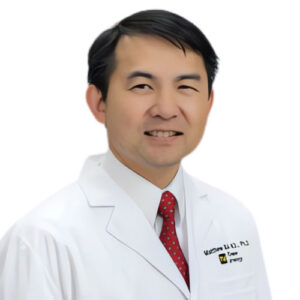
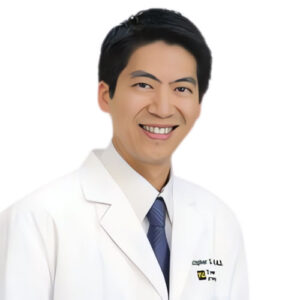
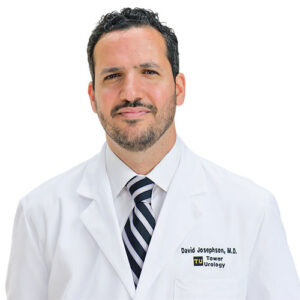





Our Men and Women’s Conditions & Treatments Include:





counter-service
What patients say about Tower Urology

5,392 REVIEWS / 4.9 OUT OF 5 STARS















Affiliated with the best:
Cedars-Sinai Excellence
in Care
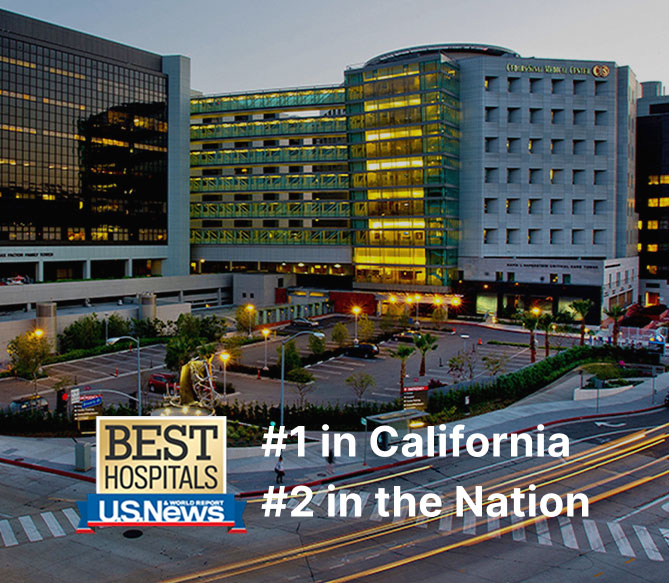
Tower Urology is a proud affiliate of Cedars-Sinai Medical Center, which U.S. News & World Report ranked #1 in California and #2 in the nation.
This partnership reflects our commitment to delivering the highest standard of urologic care. Access to Cedars-Sinai’s world-class facilities and our exceptional, innovative, and state-of-the-art urological care make Tower Urology a care leader in California.